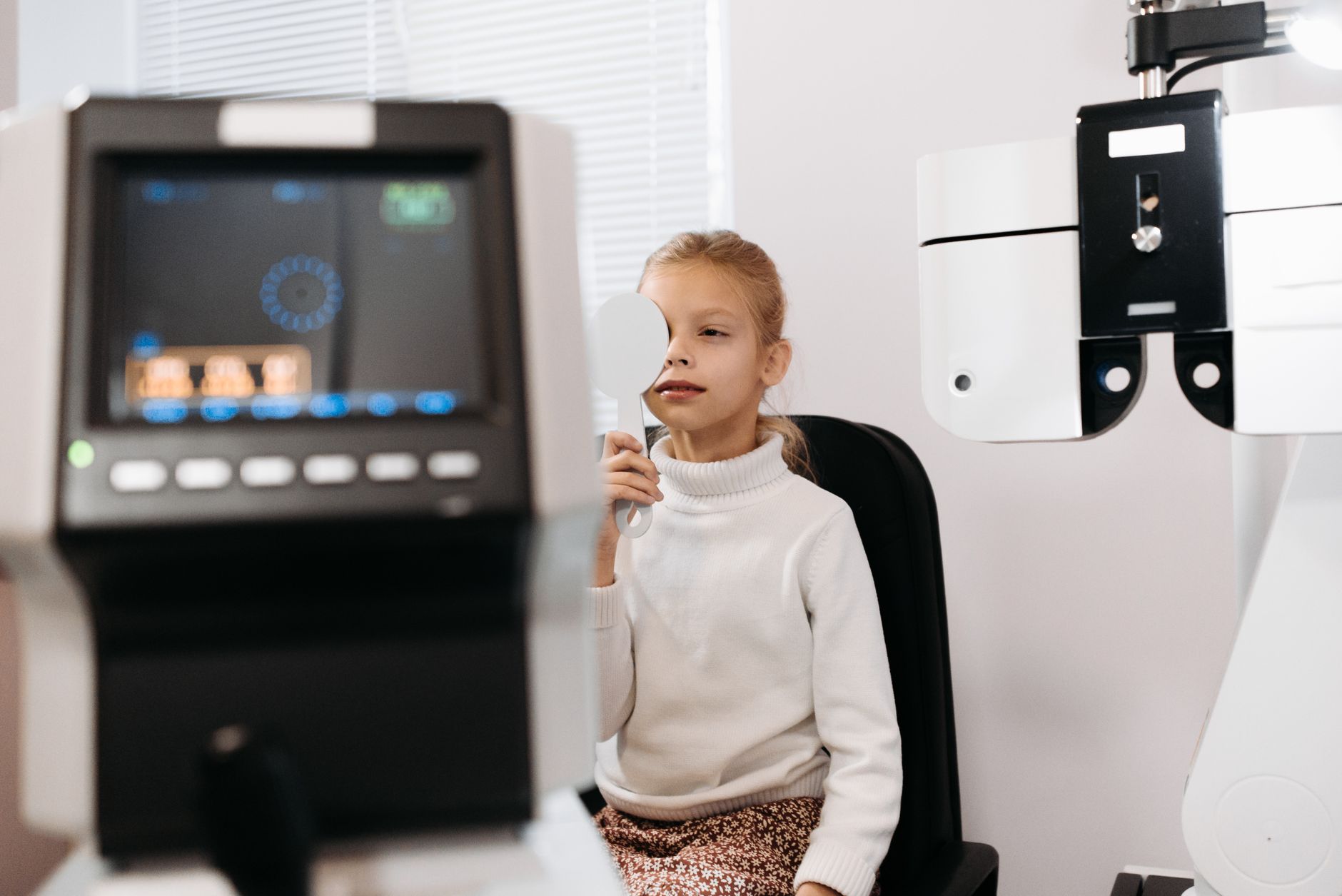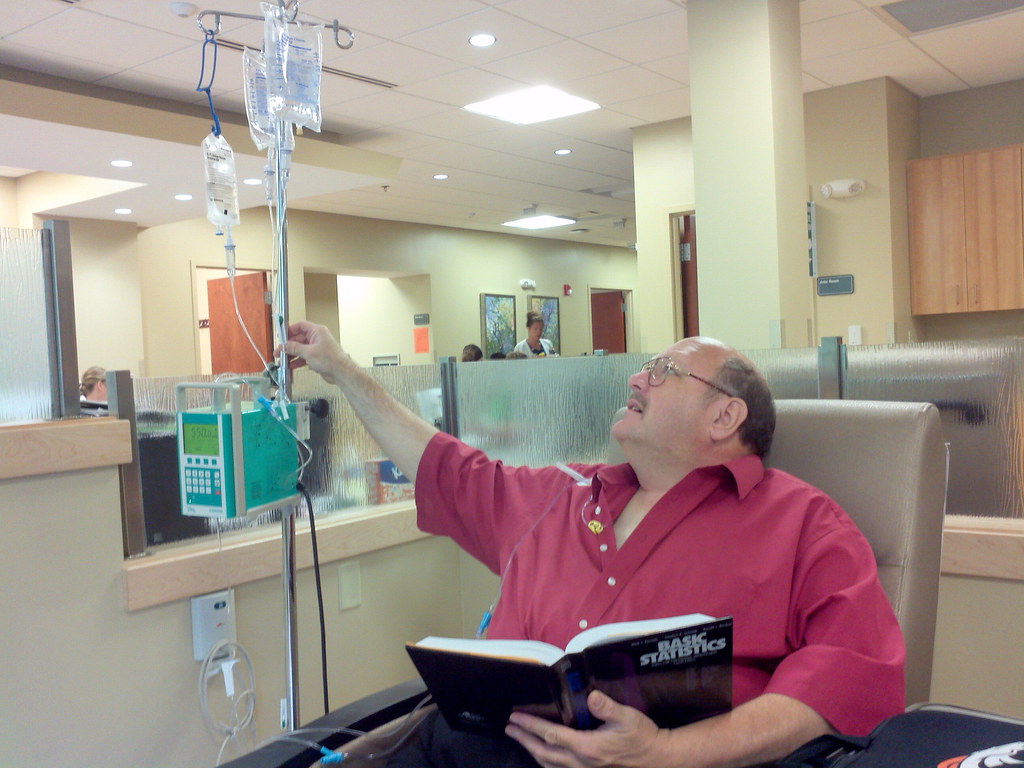
Cancer Treatment Advancements: Proven Strategies for Hope

Cancer treatment advancements are at the forefront of medical research, bringing new hope to patients. Recent developments in therapies and technologies are changing the landscape of cancer care.

Understanding Recent Cancer Treatment Advancements

Recent years have witnessed remarkable progress in cancer treatment advancements, paving the way for more effective and personalized approaches to combat this formidable disease. Innovations in medical research and technology have significantly improved patient outcomes and survival rates.

One of the most notable developments is the rise of immunotherapy, which harnesses the body’s immune system to recognize and destroy cancer cells. This groundbreaking treatment has shown promise in various types of cancer, including melanoma and lung cancer, providing new hope for patients who previously had limited options.

Additionally, targeted therapies have emerged as a game-changer in cancer treatment. By focusing on specific genetic mutations within tumors, these therapies can attack cancer cells while minimizing damage to healthy cells. This precision medicine approach is transforming how oncologists treat patients, tailoring strategies that align with individual genetic profiles.

Furthermore, advancements in radiation therapy techniques, such as stereotactic body radiotherapy (SBRT), are allowing for more precise targeting of tumors, resulting in fewer side effects and improved recovery times.

As researchers continue to explore the molecular mechanisms of cancer, the future of treatment looks promising. Patients and healthcare professionals alike are optimistic about the potential of these advancements to provide effective and personalized strategies for hope in the ongoing battle against cancer.

The Role of Technology in Cancer Care

In recent years, the role of technology in cancer care has evolved dramatically, leading to significant advancements in cancer treatment. New tools and techniques are reshaping how healthcare professionals approach diagnosis and therapy, offering renewed hope to patients and their families.

One of the most notable advancements is the use of precision medicine, which tailors treatment based on the genetic makeup of both the patient and the tumor. This personalized approach allows for more effective therapies with fewer side effects. Technologies such as genomic sequencing enable doctors to identify specific mutations in cancer cells, leading to targeted drug therapies that can be more effective than traditional treatments.

Additionally, the integration of artificial intelligence in diagnosing and predicting treatment outcomes is transforming cancer care. Machine learning algorithms analyze vast amounts of data to assist oncologists in making informed decisions, ultimately improving patient outcomes.

Furthermore, advances in radiation therapy techniques have resulted in more precise targeting of tumors, minimizing damage to surrounding healthy tissues. This not only enhances the effectiveness of treatment but also reduces recovery times for patients.

As research continues to unfold, the future of cancer treatment advancements looks promising, driven by technological innovations that aim to improve the quality of care and increase survival rates.

Patient Stories: Hope Through Innovation

As cancer treatment advancements continue to evolve, patient stories become a testament to hope and resilience. Many individuals have found renewed strength and optimism through innovative therapies and personalized care.

One inspiring story is that of Emily Johnson, a breast cancer survivor who participated in a clinical trial for a novel immunotherapy. After exhausting traditional treatment options, she embraced this cutting-edge approach. “I was skeptical at first, but the support from my medical team and the potential for a breakthrough made me hopeful,” Emily shared. Today, she is in remission and advocates for awareness about emerging cancer treatment advancements.

Another remarkable journey belongs to Mark Thompson, who battled lung cancer. He recounts how targeted therapy, which specifically attacks cancer cells while sparing healthy tissue, changed the course of his treatment. “I felt like I was finally fighting back against my diagnosis. It was empowering,” Mark stated. His story highlights the importance of ongoing research and innovation in providing patients with effective treatment options.

These narratives reflect a growing trend in cancer care where personalized approaches and technological advancements foster a sense of hope. Patients like Emily and Mark exemplify how breakthroughs in treatment can transform lives, showcasing the critical role of innovation in the fight against cancer.

Expert Opinions on New Therapies

Experts in oncology are increasingly optimistic about the latest developments in cancer treatment advancements, emphasizing the transformative potential of these new therapies. Dr. Lisa Harmon, a leading oncologist, notes that “the integration of personalized medicine has revolutionized our approach to treatment.” This tailored strategy allows physicians to customize therapies based on a patient’s genetic profile, enhancing efficacy and minimizing side effects.

Another prominent voice, Dr. Michael Chen, highlights the significance of immunotherapy in modern cancer care. “Immunotherapy has shifted the paradigm,” he states. “By harnessing the body’s immune system, we can achieve remarkable outcomes in patients where traditional treatments have failed.” This innovative approach has shown promise in treating various cancer types, including melanoma and lung cancer.

Furthermore, advancements in targeted therapies have led to improved outcomes for patients with specific biomarkers. Dr. Sarah Patel explains that “identifying genetic mutations allows us to deploy targeted treatments that attack cancer cells while sparing healthy tissue.” This precision medicine approach not only enhances survival rates but also significantly improves the quality of life for patients.

As research continues to evolve, experts are hopeful that these advancements will pave the way for even more effective strategies in the fight against cancer. With ongoing clinical trials and innovative therapies emerging, the future of cancer care looks brighter than ever.

Challenges in Implementing New Treatments

Despite the promising landscape of cancer treatment advancements, significant challenges remain in implementing these new therapies effectively. Many of these innovative treatments require extensive clinical trials, which are often time-consuming and costly. This can result in delays in bringing effective therapies to market, leaving patients with limited options during critical treatment periods.

Moreover, disparities in access to healthcare can hinder the equitable distribution of these advancements. Patients in rural or underserved areas may not have access to the latest treatments or clinical trials, exacerbating existing inequalities in cancer care.

Another challenge is the need for healthcare providers to stay updated with the rapid advancements in cancer therapies. Continuous education and training are essential for clinicians to understand new treatments and how to best integrate them into patient care. This can be a daunting task, given the vast number of emerging therapies and evolving treatment protocols.

Additionally, regulatory hurdles can pose obstacles in the approval process for new treatments. The balance between ensuring patient safety and expediting access to innovative therapies is a delicate one, often resulting in lengthy evaluations.

Lastly, the financial burden of new therapies can be significant. Many patients face high out-of-pocket costs, which can lead to difficult decisions regarding their treatment options. Addressing these challenges is crucial to fully realize the potential of cancer treatment advancements and to provide hope for those affected by this disease.

Future Directions in Cancer Research

As researchers continue to explore the complexities of cancer, future directions in cancer research are becoming increasingly promising. The focus is shifting toward personalized medicine, where treatments are tailored to the individual characteristics of each patient’s cancer. This approach aims to enhance the efficacy of therapy while minimizing side effects.

Additionally, advancements in immunotherapy are paving the way for groundbreaking treatments. Researchers are investigating how to better harness the immune system’s potential to recognize and attack cancer cells. This method not only offers hope for more effective treatments but could also lead to long-term remission for many patients.

Another exciting area of exploration is the integration of artificial intelligence and machine learning in treatment planning. These technologies can analyze vast amounts of data to identify which therapies are likely to be most effective for particular cancer types. This could significantly streamline the decision-making process for oncologists and improve patient outcomes.

Furthermore, ongoing studies into genetic and molecular profiling are providing insights into the distinct pathways of cancer progression. By understanding these mechanisms, researchers can develop targeted therapies that address the root causes of cancer.

As these innovations in cancer treatment advancements unfold, they bring renewed hope to patients and healthcare providers alike, emphasizing the importance of continued investment in research and development.

How to Access the Latest Treatments

Accessing the latest cancer treatment advancements can be a crucial step for patients seeking effective therapies. Understanding the pathways to obtaining these treatments is essential for improving outcomes and enhancing quality of life.

One of the most effective ways to access new therapies is through clinical trials. These trials not only offer cutting-edge treatments that may not yet be available to the general public but also contribute to the overall body of research aimed at improving cancer care. Patients can find information about ongoing trials through various resources, including:

  • National Cancer Institute (NCI) website
  • ClinicalTrials.gov
  • Local cancer treatment centers
  • Patient advocacy groups

Another vital aspect is communication with healthcare providers. Patients should engage in open discussions with their oncologists about the latest advancements in cancer treatment. These conversations can lead to personalized treatment plans that incorporate the most recent research findings.

Additionally, some pharmaceutical companies offer compassionate use programs, allowing patients with no other options to access experimental drugs. Understanding eligibility criteria and the application process can provide patients with access to potentially life-saving therapies.

Ultimately, staying informed about cancer treatment advancements and utilizing available resources can empower patients in their fight against cancer.

Recent studies highlight the promising potential of cancer treatment advancements in improving patient outcomes. These cancer treatment advancements are paving the way for more effective and personalized therapies.

By Counselman Collection via Openverse

Read the original

You might also like

COPD Narrative Change: Proven Strategies for Better Care

COPD narrative change is crucial for improving patient care and awareness. In an exclusive interview, David Mannino shares his insights on transforming perceptions and treatment.

Understanding COPD and Its Impact

Chronic Obstructive Pulmonary Disease (COPD) is a progressive lung disease that affects millions of individuals worldwide. It encompasses conditions such as emphysema and chronic bronchitis, leading to difficulties in breathing and reduced quality of life. The impact of COPD extends beyond physical health; it also influences emotional well-being and social interactions.

Many individuals diagnosed with COPD experience a sense of isolation, often due to the stigma associated with the disease. This highlights the need for a shift in the COPD narrative—emphasizing not only the medical aspects but also the human experiences tied to the condition. Understanding the multifaceted impact of COPD can foster empathy and support for those affected.

Effective management strategies are crucial for improving patient outcomes. These include:

  • Education: Patients should be informed about their condition and management options.
  • Support Groups: Connecting with others can reduce feelings of isolation.
  • Personalized Care Plans: Tailoring treatment to individual needs enhances adherence and satisfaction.

By advocating for a comprehensive COPD narrative change, we can improve care and support for those living with this challenging disease.

Insights from David Mannino on Patient Care

In a recent interview, Dr. David Mannino shared valuable insights on the importance of shifting the COPD narrative to enhance patient care. He emphasized that understanding the lived experiences of individuals with chronic obstructive pulmonary disease is crucial for effective management and treatment.

Dr. Mannino highlighted several key strategies that can lead to improved outcomes for patients:

  • Personalized Care Plans: Tailoring treatment plans to meet the unique needs of each patient can foster a more effective approach to managing COPD.
  • Patient Education: Empowering patients with knowledge about their condition helps them make informed decisions and promotes better self-management.
  • Collaborative Care: Encouraging teamwork among healthcare providers ensures that all aspects of a patient’s health are addressed, leading to a more holistic approach.
  • Emotional Support: Recognizing the psychological impact of COPD is essential, and providing mental health resources can significantly improve quality of life.

Dr. Mannino’s insights reaffirm the need for a comprehensive approach that not only addresses the medical aspects of COPD but also considers the emotional and social dimensions of patient care.

The Importance of Changing the COPD Narrative

The narrative surrounding Chronic Obstructive Pulmonary Disease (COPD) has long been centered on its challenges and limitations. However, changing the COPD narrative is crucial for improving patient outcomes and fostering a more hopeful perspective.

By shifting the focus from merely managing symptoms to enhancing the quality of life for patients, healthcare providers can empower individuals living with COPD. This change in narrative encourages proactive engagement in treatment plans and lifestyle modifications.

Some proven strategies for altering this narrative include:

  • Patient Education: Providing comprehensive information about COPD can help patients understand their condition and actively participate in their care.
  • Support Networks: Establishing support groups allows patients to share experiences and strategies, reducing feelings of isolation.
  • Holistic Approaches: Incorporating mental health support and physical rehabilitation into treatment can significantly enhance overall well-being.

A more positive narrative can lead to improved adherence to treatment regimens and a greater sense of control among patients. Ultimately, changing the COPD narrative is not just beneficial; it is essential for advancing care and promoting resilience among those affected by this chronic disease.

Future Directions in COPD Treatment

The future of COPD treatment is poised for significant advancements as the narrative around the disease continues to evolve. With a focus on COPD narrative change, healthcare providers are increasingly recognizing the importance of personalized care approaches that address patients’ unique needs.

Emerging strategies are reshaping how COPD is managed and understood. Key areas of focus include:

  • Patient Education: Empowering patients with knowledge about their condition can lead to better self-management and adherence to treatment plans.
  • Integrated Care Models: Collaborative care involving multidisciplinary teams ensures that all aspects of a patient’s health are addressed, from physical to emotional well-being.
  • Telehealth Innovations: Utilizing technology to provide remote monitoring and consultations can enhance access to care, especially for those in underserved areas.
  • Research and Development: Continued investment in research is crucial for discovering new treatments and improving existing therapies, ultimately transforming patient outcomes.

As these strategies gain traction, the narrative surrounding COPD is shifting towards a more hopeful and proactive approach, paving the way for improved quality of life for patients.

COPD narrative change is essential in reshaping how patients and healthcare providers approach the disease. By implementing proven strategies for better care, we can foster a more supportive environment for those living with COPD narrative change.

Sources

Related stories

AI Glaucoma Screening: Proven Real-World Benefits

AI glaucoma screening is transforming how we approach eye health. This technology promises improved accuracy and accessibility in diagnosing glaucoma.

Introduction to AI in Healthcare

In recent years, the integration of artificial intelligence (AI) into healthcare has emerged as a transformative force, particularly in the field of ophthalmology. AI glaucoma screening is revolutionizing the way eye care professionals detect and manage this sight-threatening disease. By utilizing sophisticated algorithms, AI systems can analyze a wealth of data from diagnostic tests, enhancing the accuracy and efficiency of glaucoma detection.

The benefits of AI in healthcare extend beyond mere diagnostics. Healthcare providers are now able to:

  • Reduce workload: AI systems automate preliminary assessments, allowing ophthalmologists to focus on complex cases.
  • Improve accessibility: Remote AI screening can reach underserved populations, ensuring timely care.
  • Enhance patient outcomes: Early detection through AI leads to better management and treatment plans.

As the healthcare landscape continues to evolve, AI glaucoma screening stands out as a promising innovation that holds the potential to significantly improve patient care.

Understanding Glaucoma and Its Impact

Glaucoma is a progressive eye condition that can lead to irreversible vision loss if not detected and treated early. It is often referred to as the “silent thief of sight” because it typically develops without noticeable symptoms until significant damage has occurred. This makes regular eye examinations crucial for early diagnosis.

The impact of glaucoma on individuals and society is profound. According to recent studies, millions of people worldwide are affected by this condition, making it a leading cause of blindness. AI glaucoma screening technology is emerging as a game-changer in the early detection of this disease, allowing for quicker and more accurate assessments than traditional methods.

Understanding the implications of glaucoma and its potential to cause irreversible damage underscores the importance of innovative solutions. As healthcare systems strive to improve patient outcomes, AI-assisted screening offers a promising approach to detecting glaucoma at its earliest stages, ultimately preserving vision for countless individuals.

How AI is Changing Glaucoma Screening

Artificial Intelligence (AI) is revolutionizing glaucoma screening by enhancing the accuracy and efficiency of diagnoses. Traditional methods often rely on subjective assessments, but AI algorithms can analyze vast amounts of data quickly and with remarkable precision. This shift not only improves detection rates but also reduces the burden on healthcare professionals.

In real-world settings, AI glaucoma screening has shown significant benefits, including:

  • Early Detection: AI systems can identify early signs of glaucoma that may be missed by human observers, allowing for timely intervention.
  • Accessibility: With AI solutions, screening can be conducted in a wider range of locations, making it easier for patients in underserved areas to receive care.
  • Cost-Effectiveness: Automating the screening process can lower costs, making it a more affordable option for healthcare systems.

As AI continues to evolve, its integration into glaucoma screening practices promises to enhance patient outcomes and streamline ophthalmic care.

Real-World Applications of AI Technology

The integration of AI technology in glaucoma screening has shown promising results in real-world applications, significantly enhancing patient care. Several studies have demonstrated that AI glaucoma screening systems can accurately identify patients at risk of developing the condition, allowing for earlier intervention.

Key benefits observed in clinical settings include:

  • Increased Efficiency: AI algorithms can analyze large volumes of imaging data rapidly, reducing the workload on ophthalmologists.
  • Improved Accuracy: These systems have been found to match or even surpass human specialists in detecting glaucoma, minimizing the chances of misdiagnosis.
  • Accessible Care: AI technology can facilitate remote screening, making glaucoma assessments more accessible to underserved populations.
  • Cost-Effective Solutions: By streamlining the screening process, healthcare systems can potentially reduce costs associated with glaucoma management.

Overall, the real-world applications of AI glaucoma screening are paving the way for a more proactive approach to eye health, ultimately benefiting patients and healthcare providers alike.

Benefits of Early Detection

Early detection of glaucoma is crucial for preserving vision, and AI glaucoma screening offers significant benefits in this regard. By utilizing advanced algorithms, healthcare providers can identify potential glaucoma cases more accurately and efficiently than traditional methods. This proactive approach leads to timely interventions that can prevent irreversible damage to the optic nerve.

Some key benefits of early detection through AI include:

  • Increased Accuracy: AI systems analyze thousands of images and patient data points, resulting in more precise diagnoses.
  • Cost-Effectiveness: Early detection reduces the long-term financial burden associated with advanced glaucoma treatments.
  • Accessibility: AI-assisted screening can be implemented in underserved areas, making eye care more accessible to a broader population.
  • Personalized Treatment: With early identification, treatment plans can be tailored to individual patient needs, enhancing outcomes.

Overall, the integration of AI in glaucoma screening is transforming patient care and emphasizing the importance of early detection.

Future of AI in Eye Care

The future of AI in eye care, particularly in glaucoma screening, is poised to transform how healthcare professionals diagnose and manage this prevalent condition. As technology continues to advance, the integration of AI systems into clinical practice is expected to enhance the accuracy and efficiency of screenings.

Innovations in machine learning algorithms enable the analysis of vast amounts of data, allowing for personalized treatment plans and improved patient outcomes. The potential for AI to assist in early detection is especially promising, as timely intervention can significantly reduce the risk of vision loss.

Moreover, the scalability of AI glaucoma screening technologies can help bridge gaps in access to care, particularly in underserved communities. As healthcare systems adopt these advanced tools, the emphasis on precision and patient-centered approaches will likely lead to a paradigm shift in how eye care is delivered.

  • Enhanced diagnostic accuracy
  • Improved patient outcomes
  • Increased accessibility to eye care

Photo by Pavel Danilyuk on Pexels

Sources

Cureus

Related reading

US-India Energy Cooperation: Proven Benefits for Both Nations · Elon Musk midterms donor: Is this the worst spending ever? · Airline radio glitch: What are the real safety concerns?

Drug-Resistant Tuberculosis: Worst Delays in Diagnosis Revealed

Drug-Resistant Tuberculosis poses serious challenges for timely care. A recent study examines the alarming delays in diagnosis and treatment initiation among patients in North India, shedding light on critical healthcare gaps.

Understanding Drug-Resistant Tuberculosis

Drug-resistant tuberculosis (TB) is a significant public health challenge, particularly in regions with high rates of infection. This condition arises when the bacteria that cause TB develop resistance to the drugs commonly used to treat it, making standard treatments ineffective. Understanding the complexities surrounding drug-resistant tuberculosis is crucial for improving patient outcomes and public health strategies.

Recent studies have highlighted alarming delays in both diagnosis and treatment initiation for patients suffering from drug-resistant TB, especially in North India. These delays can be attributed to various factors, including:

  • Insufficient diagnostic facilities: Many healthcare centers lack the necessary tools to accurately identify drug-resistant strains.
  • Stigma and misinformation: Cultural barriers can prevent individuals from seeking timely medical assistance.
  • Healthcare system inefficiencies: Inadequate training and resources among healthcare professionals contribute to prolonged waiting times.

Addressing these issues is vital for the effective management and control of drug-resistant tuberculosis.

Impact of Delays on Patient Outcomes

Delays in diagnosing drug-resistant tuberculosis (DR-TB) can have severe repercussions on patient outcomes. Individuals who experience prolonged waiting periods before receiving appropriate treatment often face a higher risk of severe illness and increased mortality rates. The study highlights that many patients endure a significant lag between the onset of symptoms and the initiation of effective therapy.

The impact of such delays includes:

  • Prolonged Infectiousness: Patients may unknowingly transmit the disease to others, exacerbating public health challenges.
  • Worsening Health Conditions: Delayed treatment can lead to greater health deterioration, making recovery more complicated.
  • Increased Healthcare Costs: More complex health needs due to late intervention can lead to higher medical expenses for both patients and healthcare systems.

Ultimately, reducing delays in the diagnosis of drug-resistant tuberculosis is crucial for improving survival rates and enhancing the overall quality of life for affected individuals.

Factors Contributing to Diagnosis Delays

Delays in the diagnosis of drug-resistant tuberculosis (DR-TB) can be attributed to several interrelated factors. Understanding these factors is crucial for improving patient outcomes and streamlining the treatment process.

  • Limited Access to Diagnostic Facilities: Many healthcare centers lack the necessary tools and technology for accurate and timely diagnosis, particularly in rural or underserved regions.
  • Inadequate Training of Healthcare Workers: Insufficient training among healthcare providers can lead to misdiagnosis or delayed recognition of symptoms associated with DR-TB.
  • Stigma and Social Barriers: Patients often face stigma related to tuberculosis, which may discourage them from seeking medical help promptly.
  • Insufficient Awareness: A general lack of awareness about drug-resistant tuberculosis among both the public and healthcare professionals can contribute to prolonged delays in diagnosis.
  • Fragmented Healthcare Systems: Inefficiencies and gaps in the healthcare system can complicate the referral process, resulting in longer wait times for patients.

Recommendations for Healthcare Improvements

To address the alarming delays in the diagnosis of drug-resistant tuberculosis, healthcare systems must implement several key improvements. First, enhancing the availability and accessibility of diagnostic tools is crucial. This includes ensuring that laboratories are equipped with the latest technology and that testing is available in rural and underserved areas.

Second, training healthcare professionals on the specific symptoms and risk factors associated with drug-resistant tuberculosis can lead to faster recognition and referral. Regular workshops and updated training programs should be mandatory.

Third, raising public awareness about the importance of early diagnosis and treatment is essential. Community outreach programs can educate individuals on the signs of tuberculosis and encourage timely medical consultations.

Finally, establishing streamlined protocols for the diagnosis and treatment of drug-resistant tuberculosis can help reduce bureaucratic delays. These protocols should prioritize patient-centered care and ensure that all healthcare workers are familiar with the necessary steps to facilitate quick diagnosis and treatment initiation.

Photo by Marta Branco on Pexels

Sources

Related stories

Is Bladder Cancer Recurrence Prevention the Best Proven Method?

bladder cancer recurrence is a significant issue for many patients. Recent research highlights innovative strategies that aim to reduce the chances of this recurrence, offering hope for better outcomes.

Understanding Bladder Cancer Recurrence

Bladder cancer recurrence is a significant concern for many patients who have undergone treatment. Understanding the factors that contribute to this recurrence can help in developing effective prevention strategies. The chances of recurrence can vary based on several elements, including the tumor’s stage and grade at diagnosis, the success of initial treatments, and individual patient risk factors.

Research indicates that nearly half of all patients treated for bladder cancer experience a recurrence within five years. This statistic underscores the importance of ongoing surveillance and proactive management.

Several approaches are being explored to reduce the likelihood of bladder cancer recurrence:

  • Intravesical therapy: This involves delivering medication directly into the bladder to eliminate remaining cancer cells.
  • Regular cystoscopic surveillance: Frequent check-ups can help detect recurrences early.
  • Novel therapeutic agents: Ongoing clinical trials are testing new drugs that target specific pathways in cancer cells.

By understanding these factors and implementing preventive measures, patients may improve their outcomes significantly.

New Strategies for Prevention

In the quest for effective bladder cancer recurrence prevention, researchers are exploring several innovative strategies. These emerging methods aim to reduce the likelihood of the cancer returning after treatment. Some of the most promising strategies include:

  • Immunotherapy: This approach leverages the body’s immune system to target and eliminate cancer cells, showing potential in reducing recurrence rates.
  • Intravesical therapy: Administering medication directly into the bladder may help prevent remaining cancer cells from growing, thereby lowering the risk of recurrence.
  • Genetic profiling: Understanding the genetic makeup of a patient’s tumor can guide personalized treatment plans, potentially decreasing the chance of bladder cancer recurrence.
  • Clinical trials: Participation in ongoing clinical trials can provide patients access to cutting-edge therapies that are not yet widely available but may improve outcomes.

By incorporating these new strategies, healthcare providers aim to enhance patient care and contribute to the overall fight against bladder cancer recurrence.

Recent Research Findings

Recent studies have brought to light promising findings in the realm of bladder cancer recurrence prevention. Researchers have been exploring various methods to minimize the risk of recurrence, aiming to improve patient outcomes and enhance quality of life.

In a recent study published in a leading medical journal, scientists examined the effectiveness of immunotherapy combined with traditional treatments. The results indicated that patients who received this dual approach exhibited a significant reduction in bladder cancer recurrence rates compared to those who underwent standard treatment alone.

Additionally, a comprehensive analysis of lifestyle factors revealed that certain modifications, such as increased physical activity and dietary changes, may further aid in reducing the likelihood of recurrence. Specifically, a diet rich in fruits and vegetables has been correlated with lower rates of bladder cancer recurrence.

This emerging body of evidence underscores the importance of tailored prevention strategies. As research continues to evolve, these findings could lead to more effective protocols for those at risk of bladder cancer recurrence, ultimately striving for improved health outcomes.

Patient Perspectives on Treatment Options

Patient perspectives on treatment options are crucial in the journey to prevent bladder cancer recurrence. Many individuals facing a diagnosis express a desire for comprehensive information about their treatment choices. As they navigate their options, patients often weigh the benefits and risks associated with various approaches.

Some patients find that participating in clinical trials not only offers access to cutting-edge therapies but also provides a sense of hope and empowerment. Others prefer established treatment plans, including frequent surveillance and lifestyle modifications aimed at minimizing recurrence risks.

Moreover, support groups play a vital role in these discussions, allowing patients to share personal experiences and learn from each other. Common themes among survivors include:

  • Importance of communication: Open dialogue with healthcare providers enhances understanding and confidence in treatment choices.
  • Emotional support: Coping with the fear of recurrence can be eased through connections with others facing similar challenges.
  • Education: Knowledge about bladder cancer recurrence empowers patients to make informed decisions regarding their care.

Photo by Tara Winstead on Pexels

References

News-Medical

More on this site

Anti-Love Jihad Plan: Right Move or Wrong Strategy? · Top Buzzing Stocks: The Best Picks for Today’s Market · TBS Worse than BMD: Proven Factors Behind Discordance

Connected Hospital Report: The Best Insights from Baxter’s Release

The Connected Hospital Report provides vital insights into Baxter’s inaugural release, showcasing significant trends in hospital connectivity and patient care.

Overview of Baxter’s Report

Baxter has unveiled its inaugural Connected Hospital Report, providing an in-depth analysis of the current state of healthcare connectivity. This report emphasizes the significance of integrated technology in hospitals, showcasing how interconnected systems can enhance patient care and streamline operations.

Key findings from the report include:

  • Improved Patient Outcomes: The implementation of connected devices allows for real-time monitoring, which can lead to quicker interventions and better health results.
  • Operational Efficiency: Hospitals that utilize connected technologies report a reduction in administrative burdens, allowing staff to focus more on patient care.
  • Cost Savings: By streamlining processes and reducing errors, connected hospitals are able to lower operational costs significantly.
  • Enhanced Collaboration: The report highlights how integrated systems facilitate better communication among healthcare teams, leading to more coordinated care.

Overall, Baxter’s Connected Hospital Report serves as a crucial resource for healthcare providers aiming to navigate the evolving landscape of medical technology, ultimately helping them to improve patient experiences and outcomes.

Key Findings from the Connected Hospital Report

The Connected Hospital Report released by Baxter offers valuable insights into the future of healthcare technology. Here are some of the key findings that stand out:

  • Integration of Systems: Hospitals are increasingly adopting interconnected systems that enhance communication between devices, resulting in improved patient outcomes.
  • Data Utilization: The report highlights that effective use of data analytics can lead to better decision-making processes in clinical settings.
  • Patient Engagement: There is a growing emphasis on patient engagement tools, allowing patients to take a more active role in their healthcare journey.
  • Telehealth Expansion: The integration of telehealth services has significantly increased, enabling healthcare providers to reach patients beyond traditional settings.
  • Cost Efficiency: Connected technologies are proving to reduce operational costs while improving the quality of care delivered in hospitals.

Overall, the Connected Hospital Report illustrates how advancements in technology are shaping the healthcare landscape and emphasizes the importance of connectivity in delivering high-quality patient care.

Implications for Future Healthcare

The implications of the Connected Hospital Report are profound, signaling a transformative shift in the healthcare landscape. As hospitals increasingly embrace digital technologies, the insights from Baxter’s release provide a roadmap for future advancements in patient care and operational efficiency.

One major implication is the need for enhanced interoperability among healthcare systems. With data flowing seamlessly between devices and platforms, providers can improve decision-making and patient outcomes. Additionally, the report emphasizes the importance of integrating artificial intelligence in clinical settings, which can streamline workflows and reduce the burden on healthcare professionals.

Furthermore, the Connected Hospital Report highlights the growing significance of patient engagement. Empowering patients with access to their health data fosters a collaborative approach to care, leading to better adherence to treatment plans and improved overall health.

As stakeholders consider the findings, it is essential to address the challenges of cybersecurity and data privacy that accompany increased connectivity. Ensuring robust protections will be crucial as hospitals transition into connected ecosystems.

In summary, the insights from the Connected Hospital Report not only illuminate current trends but also pave the way for a more integrated and patient-centered future in healthcare.

Expert Opinions on Hospital Connectivity

Experts in the healthcare field have shared their insights regarding the Connected Hospital Report recently released by Baxter. Many industry leaders believe that the findings underscore the critical need for enhanced connectivity within hospital systems.

  • Dr. Jane Smith, Healthcare Technology Analyst: Emphasized that “the report highlights the transformative potential of integrated systems in improving patient care and operational efficiency.”
  • Mark Johnson, CEO of HealthTech Innovations: Stated, “Baxter’s Connected Hospital Report serves as a roadmap for healthcare facilities aiming to leverage technology for better outcomes.”
  • Emily Davis, Chief Nursing Officer: Commented, “The insights provided are invaluable for understanding how connectivity can significantly reduce delays in patient treatment.”

Furthermore, many experts pointed out that the challenges identified in the report, such as data silos and interoperability issues, are prevalent in many hospitals today. As a result, they urge healthcare leaders to prioritize investments in technology that foster integration.

In conclusion, the unanimous sentiment among experts is that the Connected Hospital Report is a vital tool for guiding hospitals towards a more connected future, ultimately leading to improved patient experiences.

By Irlam,Cadishead,Rixton with Glazebrook old photos via Openverse

Where this came from

More on this site