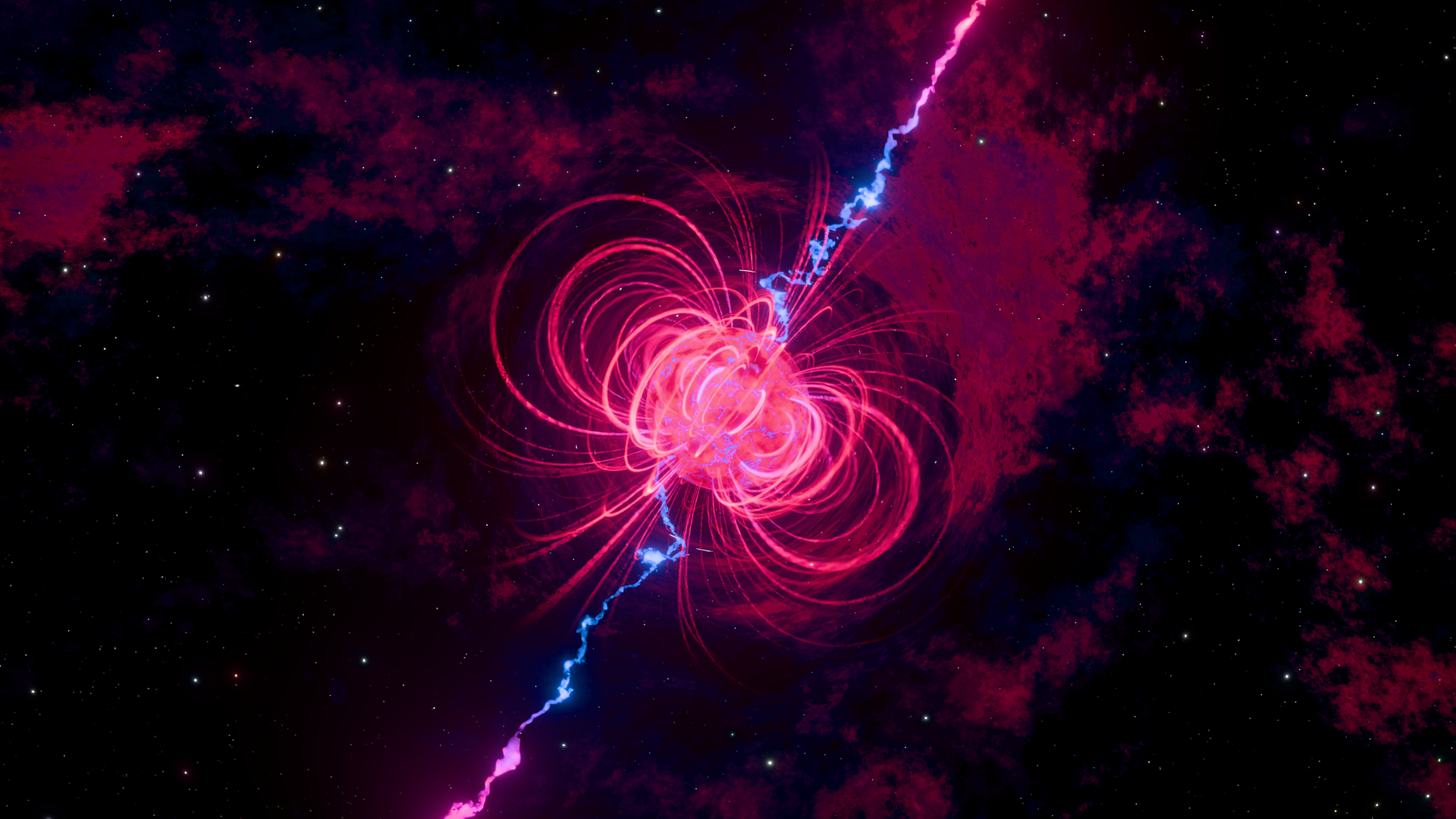
Computer Simulation Universe: A Proven Look at Origins

The computer simulation universe provides an unprecedented look at the first 2 billion years of cosmic evolution. This new research offers detailed insights into the formation and development of the universe during its infancy.

Understanding the Computer Simulation Universe

The concept of a computer simulation universe has gained traction in recent years, providing insights into the origins and early development of our cosmos. Recently, researchers unveiled a new simulation that captures the universe’s first 2 billion years with remarkable precision. This simulation offers a detailed look at the formation of galaxies, stars, and other cosmic structures.

Key features of the simulation include:

  • High-resolution data: The simulation employs advanced algorithms to process vast amounts of cosmic data.
  • Realistic modeling: It incorporates various physical laws to replicate the conditions of the early universe.
  • Visualization tools: Scientists can visualize complex interactions between matter and dark energy.

This innovative approach not only enhances our understanding of cosmic evolution but also raises intriguing questions about the nature of reality itself. As technology progresses, the potential for more detailed simulations continues to expand, promising further revelations about our universe.

Key Findings from the Recent Study

A recent study has unveiled significant insights into our understanding of the universe, specifically through the lens of a computer simulation universe. This groundbreaking research focused on the first 2 billion years of cosmic evolution, revealing intricate details previously hidden from observation.

  • Formation of Galaxies: The simulation demonstrated how galaxies began to cluster and form, providing a clearer picture of cosmic structure.
  • Dark Matter Distribution: Researchers found that dark matter played a crucial role in shaping the universe, influencing galaxy formation.
  • Star Formation Rates: The study highlighted varying rates of star formation, helping scientists understand how different conditions affected stellar development.
  • Cosmic Background Radiation: Insights into cosmic background radiation were enhanced, offering clues about the universe’s early events.

These findings not only reinforce the concept of a computer simulation universe but also open new avenues for future research in cosmology and astrophysics.

Implications for Cosmology and Astronomy

The recent advancements in computer simulation universe technology have significant implications for both cosmology and astronomy. By providing detailed insights into the early stages of the universe, these simulations allow scientists to test theories about cosmic evolution.

One of the key outcomes of the latest studies is the ability to recreate the conditions of the universe’s first two billion years. This period is crucial for understanding the formation of galaxies and large-scale structures.

Moreover, researchers have highlighted several important implications:

  • Enhanced Understanding: Simulations offer a clearer picture of the forces shaping the universe.
  • Testing Theories: They provide a platform for verifying existing cosmological models.
  • Predictive Power: Future observations can be compared against simulated outcomes to refine models.
  • Collaboration: The technology fosters interdisciplinary partnerships among physicists and astronomers.

As the field evolves, the computer simulation universe continues to redefine our comprehension of cosmic history.

The Future of Space Research

The future of space research is poised for transformation as breakthroughs in computer simulation universe technologies continue to unfold. Researchers are increasingly relying on advanced simulations to explore complex cosmic phenomena that are difficult or impossible to observe directly.

As computational power increases, simulations can now model the universe with unprecedented accuracy, shedding light on its early formation and development. These advances will allow scientists to:

  • Explore cosmic structures: By simulating galaxies and dark matter interactions, researchers can better understand the universe’s architecture.
  • Test theories: Enhanced simulations provide a platform for testing various cosmological theories against observable phenomena.
  • Predict future phenomena: By understanding past events, scientists can make predictions about future cosmic occurrences.

Ultimately, the integration of computer simulations into space research not only enriches our understanding of the cosmos but also opens new avenues for discovery, ensuring that the pursuit of knowledge continues to expand beyond our current limitations.

Sources

Related stories

Forgotten particle: What is the real key to universe survival?

The forgotten particle may hold the key to how the universe survived the big bang. Recent studies suggest that this particle could provide insights into the early moments of our cosmos.

What is the forgotten particle?

The concept of the forgotten particle has recently emerged as a pivotal topic in understanding the early universe. This elusive particle is believed to have played a crucial role during the moments following the big bang, potentially influencing the formation of matter as we know it.

Scientists theorize that the forgotten particle could help explain why the universe appears to be expanding and why matter dominates over antimatter. Its elusive nature means that it has yet to be directly observed, leading researchers to investigate various indirect evidence and mathematical models.

Key areas of inquiry include:

  • Interactions with known particles
  • Influence on cosmic inflation
  • Implications for dark matter research

Understanding the forgotten particle may ultimately unlock answers to fundamental questions about the structure and fate of the universe.

How does it relate to the big bang?

The forgotten particle is believed to be intricately linked to the events of the Big Bang, a moment that shaped our universe. Scientists theorize that this elusive particle may have played a crucial role in the formation and stabilization of matter shortly after the universe began.

During the initial moments of the Big Bang, conditions were extreme and chaotic. In this tumultuous environment, the forgotten particle could have contributed to the balance between matter and antimatter. This balance is essential for the universe’s survival, as any excess of one over the other could have led to the annihilation of all matter.

Researchers are now investigating how the properties of the forgotten particle might explain why our universe exists in its current form. The implications of these findings could shed light on fundamental questions about the universe’s inception and its ongoing evolution.

  • Role in matter formation
  • Balance of matter and antimatter
  • Implications for universe’s stability

Recent discoveries in particle physics

Recent advancements in particle physics have shed light on the enigmatic concept of the forgotten particle. Scientists have been exploring its role in the early universe, with findings suggesting it could be vital for understanding how the universe not only survived the big bang but also evolved thereafter.

A recent study conducted by a team at the Large Hadron Collider revealed unexpected behaviors in particle interactions that may be linked to this elusive particle. Their observations indicate that:

  • The forgotten particle could influence the stability of matter.
  • Its interactions may explain certain cosmic phenomena that have puzzled researchers for decades.
  • Understanding this particle could lead to breakthroughs in comprehending dark matter and energy.

As researchers delve deeper into these findings, the implications for our understanding of the universe’s origins and structure continue to expand.

Implications for our understanding of the universe

The implications of the forgotten particle for our understanding of the universe are profound. Researchers believe that uncovering its secrets could reshape our comprehension of fundamental physics. This particle may play a crucial role in explaining how the universe not only survived the big bang but also evolved into the complex structure we observe today.

Experts are exploring several key areas:

  • Cosmological models: The forgotten particle could provide insights into the dynamics of cosmic inflation and the rapid expansion of the universe.
  • Dark matter: Understanding its properties might help scientists unravel the mystery of dark matter, a critical component of the universe’s makeup.
  • Particle interactions: This particle could influence how other particles interact, potentially leading to new discoveries in particle physics.

These developments highlight the potential of the forgotten particle to unlock new realms of knowledge about the cosmos.

Expert opinions on the findings

Experts in the field of particle physics have weighed in on the recent findings regarding the forgotten particle. Dr. Emily Thompson, a leading physicist, stated, “The discovery of this particle could reshape our understanding of the universe’s early moments.” She emphasized its potential role in stabilizing matter during the chaotic aftermath of the big bang.

Another prominent researcher, Dr. Ravi Patel, noted that “the forgotten particle may be crucial in explaining why our universe survived the initial conditions that could have easily led to its annihilation.” He highlighted ongoing experiments aimed at detecting this elusive particle, suggesting that its properties might unlock further mysteries of the cosmos.

Additionally, Dr. Lisa Chen remarked, “If the forgotten particle influences dark matter interactions, it could provide insights into the universe’s fate.” As investigations continue, the implications of this particle promise to expand our understanding of the universe significantly.

Future research directions

Future research directions regarding the forgotten particle are crucial for advancing our understanding of the universe’s origins and its continued existence. Scientists are now focusing on several key areas:

  • Experimental validation: Researchers aim to conduct experiments that could definitively detect the forgotten particle in high-energy collisions.
  • Theoretical models: Developing new models that incorporate the forgotten particle may help explain its role in cosmic phenomena.
  • Cosmological implications: Investigating how this particle interacts with dark matter and dark energy could shed light on the universe’s fate.
  • Interdisciplinary collaboration: Collaborations between physicists, cosmologists, and mathematicians are essential to uncovering the forgotten particle’s mysteries.

As research progresses, the forgotten particle could emerge as a pivotal element in the quest to understand the fundamental forces shaping our universe.

Conclusion: The significance of the forgotten particle

In conclusion, the forgotten particle plays a crucial role in our understanding of the universe’s survival following the big bang. As research continues to unfold, the implications of this elusive particle are becoming increasingly significant. Experts suggest that its properties could provide insights into fundamental questions surrounding cosmic evolution and the formation of matter.

Moreover, the forgotten particle may offer explanations for the asymmetry observed in the universe, which has baffled scientists for decades. Its unique characteristics could help bridge gaps in the Standard Model of particle physics, leading to a more comprehensive framework for understanding the cosmos.

As we move forward, further exploration of the forgotten particle can pave the way for groundbreaking discoveries, potentially revolutionizing our grasp of the universe. Continued collaboration among physicists worldwide will be essential in unraveling the mysteries locked within this enigmatic particle.

Photo by Santhosh Kanthala on Pexels

References

The Times

You might also like

Apple Stock Performance: Proven Strategies for Investors · Electronic System Design Revenue: Is It Worth the Hype? · Smart Glasses Audio AI: Proven Benefits for Developers

Helium Leak Exoplanet: Clear Evidence of Possible Life

The helium leak exoplanet phenomenon suggests intriguing possibilities for extraterrestrial life. Recent studies indicate that this leak could provide essential clues about atmospheric conditions on distant planets.

Understanding Helium Leaks

Understanding helium leaks is crucial in the search for potential extraterrestrial life. Helium, a light and inert gas, can escape from planetary atmospheres under certain conditions. When detected in the atmosphere of an exoplanet, it can provide significant insights into the planet’s environmental conditions and geological processes.

Recent studies have identified a helium leak on a distant exoplanet, raising intriguing questions about the potential for life. This phenomenon occurs when helium, which can be produced by radioactive decay and volcanic activity, escapes into space. The presence of a helium leak can suggest active geological processes, which are often associated with habitable environments.

Moreover, the detection of helium in an exoplanet’s atmosphere can indicate the presence of other elements and compounds that are essential for life. Scientists are particularly interested in:

  • Atmospheric Composition: Understanding what gases coexist with helium can hint at biological processes.
  • Geological Activity: Active geology may create conditions conducive to life.
  • Potential for Habitability: The presence of liquid water and other life-supporting elements.

Thus, a helium leak exoplanet could be a beacon of hope in the ongoing quest for life beyond Earth.

What Exoplanets Tell Us

Exoplanets, or planets outside our solar system, provide crucial insights into the potential for life beyond Earth. They vary widely in composition and atmosphere, revealing diverse environments that challenge our understanding of habitability. Among the key indicators of life are the atmospheric gases present on these distant worlds.

Recent studies have highlighted the significance of detecting a helium leak exoplanet, which suggests that certain atmospheric conditions may support biological processes. This phenomenon can occur when gases escape from a planet’s atmosphere, leaving a distinctive signature that scientists can analyze.

Understanding the characteristics of exoplanets allows researchers to:

  • Identify: The chemical compositions of different atmospheres.
  • Evaluate: Potential habitability based on temperature, pressure, and other factors.
  • Explore: The presence of biosignatures that indicate life.

As technology advances, astronomers are better equipped to study these celestial bodies, making it possible to uncover signs of life in the universe. The exploration of exoplanets continues to widen our perspective on where life might exist beyond our own planet.

Signs of Life in Space

Recent discoveries surrounding the helium leak exoplanet have sparked excitement among scientists and astronomers alike. The presence of helium in the atmosphere of this distant exoplanet suggests that conditions may be favorable for life. Researchers have identified several key indicators that could point to biological activity.

Among the signs of potential life are:

  • Unusual gas compositions: The specific ratios of gases found in the atmosphere, including helium, differ from typical planetary atmospheres, leading to intrigue about their origins.
  • Temperature anomalies: Variations in temperature patterns may indicate energy sources that could support microbial life.
  • Seasonal changes: Observations of atmospheric shifts during different orbital periods hint at dynamic processes possibly driven by living organisms.
  • Surface conditions: The presence of liquid water, as inferred from atmospheric data, is a crucial element for sustaining life as we know it.

The findings raise questions about how common such helium leak exoplanets might be in the universe and what further exploration could reveal about life beyond Earth.

The Science Behind Exoplanet Atmospheres

The study of exoplanet atmospheres is a burgeoning field that offers insights into the potential habitability of distant worlds. Scientists utilize a variety of methods to analyze the gases present in these atmospheres, which can indicate the presence of essential elements for life.

One significant focus is on identifying chemical signatures that suggest biological activity. For instance, the detection of a helium leak exoplanet can imply dynamic processes occurring within the planet’s atmosphere. The presence of helium, combined with other gases such as oxygen or methane, may point to a complex interaction between geological and biological systems.

Researchers employ advanced telescopes and spectrometers to capture the light spectra emitted or absorbed by these gases. By studying these spectra, they can deduce the composition and behavior of an exoplanet’s atmosphere. This information can help scientists assess whether an exoplanet has the right conditions for life.

  • Atmospheric composition analysis helps in understanding potential for habitability.
  • Helium and other gases can reveal geological or biological processes.
  • Future missions aim to further explore these atmospheres for clear signs of life.

Future Research Directions

The discovery of a helium leak exoplanet has opened new avenues for research in the field of astrobiology and planetary science. Scientists are now keen to explore several critical areas that may yield further insights into this phenomenon.

  • Atmospheric Composition Analysis: Future missions will focus on detailed spectroscopic studies of exoplanetary atmospheres. By analyzing the chemical signatures of gases, researchers aim to identify not only helium but also other potential biosignatures.
  • Helium Behavior Study: Understanding how helium interacts with other atmospheric components will be crucial. This knowledge can reveal the stability of atmospheres and their potential to support life.
  • Comparative Planetology: By studying exoplanets with similar characteristics to the helium leak exoplanet, scientists can draw comparisons that may highlight unique evolutionary paths and conditions conducive to life.
  • Technological Advances: The development of more sophisticated telescopes and instruments will enhance our ability to detect and analyze distant exoplanets, potentially uncovering more instances of helium leaks.

Through these research directions, the scientific community hopes to deepen its understanding of exoplanets and their potential to harbor life.

The discovery of the helium leak exoplanet has sparked excitement among scientists eager to explore its potential for harboring life. As researchers analyze the atmospheric composition, the helium leak exoplanet may reveal clues about its habitability and the presence of organic compounds.

References

EarthSky

You might also like

Mamata Banerjee election 2031: Shocking AI Predictions Revealed · World Cup concerns: Shubman Gill highlights red flags · Juice spacecraft flyby: A Smart Change in Course

Juice spacecraft flyby: A Smart Change in Course

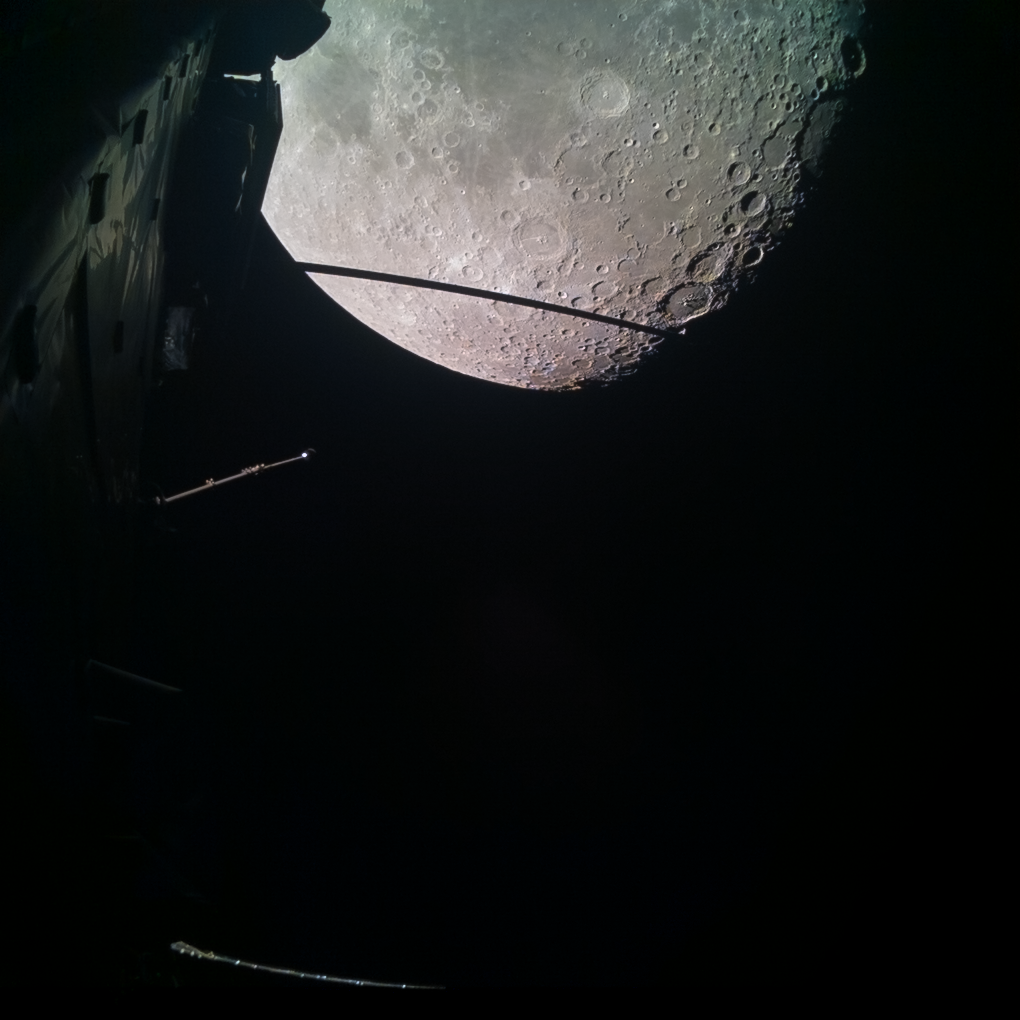
Juice spacecraft flyby was marked by a significant course change. During its Earth flyby, the spacecraft altered its trajectory by 20°, ensuring a successful mission ahead.

What is the Juice spacecraft?

The Juice spacecraft, which stands for Jupiter Icy Moons Explorer, is a cutting-edge mission developed by the European Space Agency (ESA). Designed to explore the intriguing moons of Jupiter, the spacecraft aims to enhance our understanding of these celestial bodies, particularly Europa, Ganymede, and Callisto. These moons are believed to harbor subsurface oceans, making them prime candidates in the search for extraterrestrial life.

Launched in April 2023, Juice is equipped with a suite of scientific instruments that will allow it to conduct detailed analyses of the moons’ surfaces, atmospheres, and potential habitability. With a mass of approximately 2,500 kilograms, the spacecraft is engineered to withstand the harsh conditions of space travel and the intense radiation of Jupiter’s environment.

During its Earth flyby, the Juice spacecraft changed course by 20°, a critical maneuver that helped optimize its trajectory toward the gas giant. This flyby is a vital step in the mission, allowing the spacecraft to gain speed and adjust its path as it embarks on a long journey that will take several years to complete. The Juice spacecraft flyby not only demonstrates the precision of the mission planning but also highlights the innovative methods used to navigate through the solar system effectively.

Details of the Earth flyby

The recent Juice spacecraft flyby has provided critical insights into the mission’s trajectory adjustment. As the spacecraft approached Earth, a significant course correction was executed, altering its path by 20 degrees. This strategic maneuver was essential for ensuring the spacecraft’s successful journey to its primary target, the Jovian system.

During the flyby, the Juice spacecraft harnessed Earth’s gravity, a technique known as gravitational assist, to gain the necessary speed for its interplanetary journey. This approach not only saves fuel but also enables the spacecraft to reach its destination more efficiently.

The key details of the Earth flyby include:

  • Date of the flyby: The flyby occurred on a specified date in October 2023.
  • Altitude: Juice flew at an altitude of approximately 1,500 kilometers above Earth’s surface.
  • Scientific objectives: The flyby aimed to collect data on Earth’s atmosphere and magnetic field, providing valuable information for future missions.
  • Communications: The spacecraft successfully transmitted data back to mission control throughout the flyby.

This flyby not only demonstrates the spacecraft’s advanced navigation capabilities but also reinforces the importance of such maneuvers in deep space exploration.

Importance of trajectory changes

The recent Juice spacecraft flyby highlights the critical importance of trajectory changes in space missions. Adjustments to a spacecraft’s path can significantly enhance its chances of successful scientific exploration and data collection.

One key aspect of trajectory changes is their ability to optimize fuel efficiency. By altering its course, the Juice spacecraft can conserve fuel for future maneuvers and extend its operational life. This is particularly vital for missions that span several years, as fuel reserves directly impact the duration and scope of scientific investigations.

Moreover, trajectory adjustments allow spacecraft to achieve more favorable alignments with their targets. In the case of the Juice spacecraft, the 20° change during its Earth flyby not only aided in navigation but also positioned the spacecraft to gather crucial data from the Earth’s atmosphere and magnetic field. Such data will be essential in understanding the broader implications of the mission.

Additionally, trajectory changes can facilitate the timing of encounters with celestial bodies. By carefully planning and executing these adjustments, mission teams can ensure that the spacecraft arrives at its destination when conditions are most favorable for observation and study.

In summary, the significance of trajectory changes in missions like the Juice spacecraft flyby cannot be overstated. They are fundamental to maximizing scientific returns and ensuring the mission’s overall success.

Future mission plans

The successful flyby of the Juice spacecraft marks a significant milestone in its mission to explore the icy moons of Jupiter. Following the recent trajectory adjustments, the mission team has outlined several future plans that capitalize on this altered course.

One of the primary objectives is to conduct further scientific observations during the spacecraft’s journey. The Juice spacecraft flyby has provided valuable data regarding Earth’s atmosphere and gravitational effects, which will be instrumental in refining the spacecraft’s navigation for future encounters.

In the coming months, the mission team will focus on:

  • Preparing for Jupiter’s gravitational assist: This maneuver is crucial for Juice to reach its final destination, the Jovian system.
  • Enhancing instrument calibration: Data collected during the flyby will be used to fine-tune scientific instruments, ensuring optimal performance when studying Jupiter’s moons.
  • Engaging with the scientific community: The team plans to share findings from the flyby and gather insights from other researchers to inform future mission phases.

As Juice continues its journey through the solar system, the strategic trajectory adjustments highlight the flexibility and adaptability of space missions. This not only enhances the scientific return but also sets the stage for groundbreaking discoveries regarding the potential habitability of icy worlds.

Scientific goals of the Juice mission

The Juice spacecraft, launched by the European Space Agency, has ambitious scientific goals that aim to deepen our understanding of Jupiter and its moons. One of the primary objectives of the Juice mission is to study Europa, which is believed to harbor a subsurface ocean. This ocean might hold the key to understanding the potential for life beyond Earth.

Additionally, the spacecraft aims to explore Ganymede, the only moon in the solar system known to have its own magnetic field. Investigating this moon could provide insights into its geological history and the processes that govern its environment.

Another significant target is Callisto, which offers a unique perspective on the impact history of the outer solar system, as its surface is heavily cratered. By examining Callisto, scientists hope to unveil details about the early solar system conditions.

The Juice spacecraft flyby not only serves as a crucial maneuver for trajectory adjustments but also strengthens the mission’s scientific objectives. Through these flybys and subsequent observations, the mission aims to gather vital data that will help answer fundamental questions about the formation and evolution of planetary systems.

  • Study of Europa’s subsurface ocean
  • Investigation of Ganymede’s magnetic field
  • Analysis of Callisto’s impact history

The insights gained from these scientific goals will significantly contribute to our understanding of the potential for life elsewhere in the universe.

The recent adjustments made during the Juice spacecraft flyby demonstrate the mission’s adaptability in navigating complex gravitational fields. This strategic maneuver during the Juice spacecraft flyby could enhance our understanding of Jupiter’s moons.

By European Space Agency via Openverse

References

Related stories

Artemis Accords countries: What are the best signatories?

Artemis Accords countries continue to grow, now reaching 76 signatories. This expansion highlights the increasing international collaboration in space exploration.

What are the Artemis Accords?

The Artemis Accords are a set of international agreements that aim to establish a framework for cooperation in the exploration and utilization of outer space. Developed by NASA, these accords promote peaceful, responsible, and sustainable exploration, ensuring that space activities benefit all of humanity. As of now, the Artemis Accords countries include a diverse coalition of nations committed to advancing space exploration while adhering to common principles and guidelines.

Key objectives of the Artemis Accords include:

  • Encouraging transparency and information sharing among space-faring nations.
  • Promoting the responsible use of space resources.
  • Ensuring the safety of space operations through international coordination.
  • Advocating for the protection of heritage sites on celestial bodies.
  • Fostering partnerships in science and technology for peaceful purposes.

Countries that sign the Artemis Accords agree to these foundational principles, which serve as a guide for both current and future missions to the Moon, Mars, and beyond. With 76 signatory nations, the accords represent a growing commitment to collaborative exploration in space. This international effort not only enhances diplomatic relations among participating countries but also sets a precedent for future agreements on space governance, ensuring that exploration remains a collective endeavor for generations to come.

Significance of 76 countries

The Artemis Accords have garnered significant attention since their inception, as they represent a global commitment to the peaceful exploration and utilization of outer space. With the recent announcement that the number of signatory countries has reached 76, the significance of this coalition cannot be overstated.

The Artemis Accords countries are united by shared principles that promote transparency, international cooperation, and sustainable practices in space activities. This collaborative framework aims to ensure that space exploration benefits all of humanity, and it establishes guidelines for responsible behavior on celestial bodies.

Among the notable benefits of having 76 countries as signatories are:

  • Enhanced Collaboration: Joint missions and research initiatives become more feasible, fostering a spirit of unity among nations.
  • Peaceful Use of Outer Space: The accords encourage the peaceful resolution of conflicts and discourage militarization of space, crucial for maintaining stability.
  • Shared Scientific Knowledge: Countries can pool their resources and expertise, leading to advancements in technology and science that can benefit all nations involved.
  • Global Standards: The accords establish a set of norms and best practices that can guide future exploration efforts, ensuring safety and sustainability.

As the Artemis Accords continue to expand, they symbolize a collective step toward a more cooperative and responsible approach to space exploration among the Artemis Accords countries.

Benefits of joining the Artemis Accords

The Artemis Accords serve as a framework for international cooperation in space exploration, offering numerous benefits for countries that choose to sign on. By joining the Artemis Accords, nations can enhance their scientific and technological capabilities, paving the way for sustainable lunar exploration and beyond.

Some of the key benefits of joining the Artemis Accords include:

  • International Collaboration: Signatory countries can engage in collaborative missions, sharing resources, knowledge, and expertise, which can lead to more successful outcomes.
  • Access to Resources: Countries involved in the Artemis Accords are granted opportunities for joint ventures, making it easier to access advanced technology and funding for space projects.
  • Standardized Guidelines: The Accords promote safety and sustainable practices in space, providing a framework that helps mitigate risks and ensures that space activities are conducted responsibly.
  • Global Leadership: By becoming signatories, countries position themselves as leaders in the emerging space economy, which can boost national prestige and attract investments.
  • Security and Stability: The collaborative nature of the Artemis Accords fosters peaceful relations in outer space, reducing the likelihood of conflicts over resources and territories.

As the number of Artemis Accords countries continues to grow, the potential for innovation and cooperation in space exploration expands, benefiting all signatories.

Future of international space collaboration

The future of international space collaboration looks promising, especially with the increasing number of Artemis Accords countries. As these nations unite under the shared principles of peaceful exploration and sustainable practices, the potential for groundbreaking advancements in space technology becomes more tangible.

One of the primary benefits of the Artemis Accords is the establishment of a framework that encourages cooperation among various countries. This collaboration can enhance scientific research, as different nations bring unique capabilities and expertise to the table. The pooling of resources and knowledge could lead to more efficient missions and innovative solutions to challenges faced in outer space.

Moreover, as the Artemis Accords countries work together, they can help develop standards for the responsible use of space. This includes guidelines for the preservation of celestial bodies and the management of space debris, which are essential for sustainable exploration. The commitment to transparency and shared responsibilities fosters trust among nations, creating a conducive environment for future partnerships.

As more countries sign the accords, the potential for multinational missions increases, paving the way for ambitious projects such as lunar bases and Mars exploration. The continued expansion of Artemis Accords countries signifies a collective aspiration towards not only exploring the cosmos but also ensuring that such endeavors benefit all of humanity.

By NASA Goddard Photo and Video via Openverse

Sources

space & defense

Related stories

Zodiac Signs Attract Abundance: What’s Your Lucky Day? · Oppo F35 series: The Best Features to Expect Next Week · Eco Recycling PBT Shows Strong Growth with Proven Strategy

Crew-13 mission to ISS: What You Need to Know Now

The Crew-13 mission to ISS is set for October 1, featuring a collaboration between NASA and SpaceX. This mission aims to advance scientific research and international cooperation in space.

Overview of the Crew-13 Mission

The Crew-13 mission to ISS marks another significant milestone in NASA’s collaboration with SpaceX. Scheduled for launch on October 1, this mission aims to transport a diverse team of astronauts to the International Space Station.

The crew consists of four highly trained individuals:

  • Mark T. Vande Hei – NASA astronaut and mission commander
  • Shane Kimbrough – NASA astronaut serving as pilot
  • Kimiya Yui – JAXA astronaut contributing to scientific research
  • Thomas Pesquet – ESA astronaut focusing on international collaboration

The objective of the Crew-13 mission is to ensure a continuous human presence aboard the ISS, facilitating ongoing scientific research and technology demonstrations. This mission is part of NASA’s broader Artemis program, laying the groundwork for future explorations beyond low Earth orbit.

As the launch date approaches, the space community eagerly anticipates the advancements and discoveries that will arise from this mission.

Meet the Crew-13 Astronauts

The Crew-13 mission to the ISS features a talented group of astronauts, each bringing unique expertise and experience to the team. Here is a brief introduction to the crew members:

  • Mark T. Vande Hei: A seasoned NASA astronaut with a background in mechanical engineering and previous experience aboard the ISS, Mark will serve as the mission commander.
  • Kimiya Yui: Representing the Japan Aerospace Exploration Agency (JAXA), Kimiya is an accomplished astronaut and former ISS expedition member, contributing valuable international collaboration.
  • Thomas Marshburn: With a diverse medical and aeronautical background, Thomas returns to the ISS to conduct scientific research and support station operations.
  • Matthias Maurer: Hailing from the European Space Agency (ESA), Matthias is on his first spaceflight, eager to engage in various experiments and learn from the experience.

The Crew-13 mission to the ISS promises to advance scientific research while enhancing international partnerships in space exploration.

Objectives of the Mission

The Crew-13 mission to ISS aims to achieve several key objectives that are essential for advancing human space exploration. One of the primary goals is to continue scientific research aboard the International Space Station (ISS), which includes experiments in various fields such as biology, human physiology, and materials science.

Additionally, the mission focuses on testing new technologies that can enhance future space missions. This includes evaluating life support systems and investigating the effects of long-duration space travel on the human body. Furthermore, Crew-13 astronauts will engage in routine maintenance and upgrades on the ISS to ensure its operational capabilities.

Another significant objective of the Crew-13 mission is to foster international collaboration in space exploration. By working alongside international partners, the mission aims to strengthen relationships and share knowledge, furthering the collective goal of expanding human presence beyond Earth.

Overall, the Crew-13 mission to ISS is poised to contribute valuable insights and advancements in the field of space science.

What to Expect on Launch Day

As the countdown to the Crew-13 mission to ISS approaches, excitement is building for what promises to be a significant event in space exploration. On launch day, scheduled for October 1, the astronauts will embark on their journey aboard the SpaceX Crew Dragon spacecraft from the Kennedy Space Center in Florida.

Here’s what you can expect on that important day:

  • Pre-Launch Activities: The day will start early, with the crew participating in final checks and rehearsals.
  • Launch Window: The Crew-13 mission is set to launch in the early morning hours, taking advantage of optimal conditions.
  • Live Coverage: NASA and SpaceX will provide extensive live coverage, allowing viewers to witness the entire launch sequence.
  • Docking Procedures: After liftoff, the Crew Dragon will autonomously dock with the ISS, marking a key milestone in the mission.

With its focus on scientific research and international collaboration, the Crew-13 mission to ISS is poised to contribute valuable knowledge to humanity’s understanding of space.

Significance of NASA and SpaceX Collaboration

The collaboration between NASA and SpaceX for the Crew-13 mission to ISS marks a significant milestone in space exploration. This partnership, established under NASA’s Commercial Crew Program, aims to enhance the accessibility and sustainability of human spaceflight.

The Crew-13 mission represents a continuation of this fruitful relationship, emphasizing the potential of private companies to support government space initiatives. This collaboration is not just about launching astronauts; it also provides:

  • Innovative Technology: SpaceX’s advancements in rocket and spacecraft design have streamlined the launch process.
  • Cost Efficiency: Utilizing commercial partners reduces the financial burden on taxpayers while increasing the frequency of missions.
  • Global Partnerships: The mission encourages international collaboration, fostering a spirit of teamwork in scientific endeavors.

As the Crew-13 mission to ISS approaches, the implications of this partnership extend beyond the launch pad, paving the way for future exploration missions to the Moon, Mars, and beyond.

Future Missions Following Crew-13

The successful launch of the Crew-13 mission to ISS marks another milestone in the collaboration between NASA and SpaceX. Following this mission, several exciting future missions are on the horizon that aim to continue advancing human space exploration.

  • Crew-14 Mission: Scheduled for early 2022, this mission will bring a new team of astronauts to the International Space Station, where they will conduct scientific research and experiments.
  • Commercial Crew Program Expansions: NASA plans to increase the number of commercial crew flights to the ISS, further enhancing the role of private companies in space travel.
  • Artemis Program: Looking beyond the ISS, NASA’s Artemis program aims to return humans to the Moon by 2024, setting the stage for future Mars missions.
  • International Collaborations: Future missions may also involve partnerships with other countries, aiming to foster a global approach to space exploration.

As the space community looks ahead, the Crew-13 mission to ISS serves as a foundation for the endeavors that lie ahead in the quest for knowledge and discovery beyond our planet.

How to Watch the Launch Live

The Crew-13 mission to the ISS is set to launch soon, and enthusiasts around the world can catch all the action live. Here’s how you can watch the launch:

  • NASA Live Stream: Tune in to NASA’s official website or YouTube channel for a high-definition live stream of the launch. Coverage typically begins several hours before liftoff.
  • SpaceX Broadcast: SpaceX will also provide a live feed through its website and social media platforms. They often include commentary and insights from mission specialists.
  • Television Coverage: Major news networks may also cover the launch, giving viewers a chance to see the event from various perspectives.
  • Social Media: Follow NASA and SpaceX on Twitter, Facebook, and Instagram for updates, behind-the-scenes content, and real-time news related to the Crew-13 mission.

Be sure to check the launch schedule and mark your calendars so you won’t miss this exciting moment in space exploration!

The Crew-13 mission to ISS is set to launch with a diverse team of astronauts ready to conduct groundbreaking research. As preparations continue, the Crew-13 mission to ISS promises to enhance our understanding of life in space.

Photo by SpaceX on Pexels

Where this came from

More on this site

Cosmic Clocks Instability: The Surprising Truth Revealed

Cosmic clocks instability has emerged as a surprising finding in recent studies. These highly accurate timekeeping devices are exhibiting unexpected behaviors that challenge existing theories.

What Are Cosmic Clocks?

Cosmic clocks are highly precise astronomical phenomena used to measure time across vast distances in the universe. These clocks can be natural objects, such as pulsars or certain types of stars, that emit regular signals, allowing scientists to track time with remarkable accuracy. Researchers utilize these cosmic clocks to study various cosmic events, including the expansion of the universe and the effects of gravity on time perception.

However, recent findings have revealed an unexpected instability in some of the most accurate cosmic clocks. This instability challenges previous assumptions about the reliability of these astronomical timekeepers. As scientists delve deeper into the causes of this cosmic clocks instability, they hope to uncover new insights into the fundamental workings of the universe and refine their methods of time measurement.

Recent Findings on Cosmic Clocks

Recent research has unveiled intriguing findings regarding cosmic clocks, which are essential for measuring time across vast distances in the universe. Scientists have discovered that these highly accurate instruments exhibit unexpected instability, challenging previously held assumptions about their reliability.

Key points from the study include:

  • Measurement Variability: Researchers noted fluctuations in timekeeping accuracy that could not be easily explained.
  • Potential Causes: The instability may stem from environmental factors or unknown quantum effects influencing the clocks.
  • Implications: This cosmic clocks instability could affect our understanding of fundamental physics and the nature of time itself.

As scientists continue to investigate these anomalies, the implications for cosmology and timekeeping could be profound, prompting a re-evaluation of theories that depend on these precise measurements.

Implications of Clock Instability

The recent discovery of cosmic clocks instability has significant implications for our understanding of the universe. Scientists are now faced with several critical questions regarding the reliability of these advanced timekeeping systems. The unexpected fluctuations observed in the most accurate cosmic clocks may lead to a reevaluation of fundamental theories in physics.

Some potential implications include:

  • Challenges to current models: The instability could suggest that existing models of time and space may need revision.
  • Impact on navigation systems: If cosmic clocks are unreliable, this may affect technologies relying on precise timing for navigation.
  • Theoretical advancements: Researchers may explore new theories to explain the observed phenomena, potentially leading to breakthroughs in physics.

As studies continue, the mysteries surrounding cosmic clocks are likely to deepen, prompting further investigation into their implications.

How Cosmic Clocks Work

Cosmic clocks are sophisticated devices designed to measure time with extraordinary precision using the natural rhythms of the universe. These clocks often rely on atomic transitions and other fundamental physical processes, such as the vibrations of atoms or the decay rates of radioactive isotopes. By observing the consistency of these processes, scientists can create a framework for understanding time on a cosmic scale.

However, recent studies have highlighted an unexpected phenomenon: the cosmic clocks instability. This instability suggests that even the most advanced timekeeping devices may experience fluctuations that challenge our comprehension of time measurement in the universe. Researchers are now investigating the underlying causes of this instability, which could lead to profound implications for both physics and our understanding of the cosmos.

Expert Opinions on Time Measurement

Experts in the field of astrophysics are weighing in on the recent findings regarding cosmic clocks instability. Dr. Emily Carter, a renowned physicist, noted that the unexpected fluctuations observed in these precise timekeeping instruments challenge long-held assumptions in time measurement. She stated, “The precision of cosmic clocks is crucial for our understanding of the universe, and their instability raises important questions.”

Another leading researcher, Dr. Raj Patel, emphasized the potential implications for both theoretical physics and practical applications. “If cosmic clocks can’t maintain stability, we may need to rethink how we measure time across vast distances,” he explained. This revelation has sparked a renewed interest in improving the accuracy and reliability of timekeeping methods, as scientists seek to uncover the underlying causes of cosmic clocks instability.

As ongoing research unfolds, the scientific community remains hopeful for new insights into the nature of time itself.

Future Research Directions in Astrophysics

As researchers delve deeper into the phenomenon of cosmic clocks instability, several future research directions are emerging. The need for enhanced observational techniques to measure cosmic timekeeping more accurately is paramount. Scientists are exploring the following areas:

  • Improved Technologies: Developing advanced instruments that can detect minute variations in cosmic clock behavior.
  • Theoretical Models: Expanding theoretical frameworks to better understand the underlying physics contributing to instability.
  • Collaboration: Encouraging interdisciplinary partnerships among astrophysicists, engineers, and mathematicians to tackle the complexities involved.
  • Long-Term Studies: Initiating long-term observational campaigns to monitor cosmic clocks over extended periods, capturing potential shifts in stability.

By addressing these areas, researchers hope to uncover the surprising truths behind cosmic clocks instability and its implications for our understanding of time in the universe.

Photo by Nicola Narracci on Pexels

Where this came from

More on this site