
Highway EPC Rules: What’s the Best Way to Comply?

The highway EPC rules are set to change, linking deposits to contractor ratings. This new regulation aims to improve accountability and efficiency in highway construction projects.

Understanding the New Highway EPC Rules

The recent introduction of the highway EPC rules marks a significant shift in the way contractors manage deposits and performance ratings. These new regulations aim to enhance accountability and ensure that contractors meet established standards for quality and efficiency.

Under the revised framework, contractors will now be required to link their financial deposits to their performance ratings. This approach is intended to incentivize higher performance and discourage subpar work, ultimately benefiting the public and stakeholders involved in highway projects.

Key aspects of the new rules include:

  • Performance-Based Deposits: Contractors must deposit funds that correlate with their performance ratings. Higher-rated contractors will have lower deposit requirements, while those with poor ratings will face increased financial obligations.
  • Regular Assessments: Contractors will be evaluated on a regular basis, ensuring ongoing compliance with project standards and timely completion of work.
  • Transparency in Ratings: The performance ratings will be made publicly accessible, allowing stakeholders to make informed decisions when awarding contracts.
  • Appeal Process: Contractors will have the right to appeal their ratings, ensuring fairness and transparency in the evaluation process.

As the industry adapts to these changes, understanding the implications of the highway EPC rules will be crucial for contractors to maintain competitiveness and secure future projects.

Impact of Contractor Ratings on Deposits

The recent implementation of the highway EPC rules has introduced a significant shift in how contractor ratings influence the financial dynamics of project deposits. Under these new regulations, contractors are now rated based on their performance, and these ratings directly affect the percentage of deposits they are required to submit for bidding on highway projects.

As a result, the stakes have been raised for contractors, compelling them to enhance their performance and reliability. The impact is twofold:

  • Increased Accountability: Contractors are now more accountable for their work quality and timely completion of projects. This change aims to improve overall project outcomes and reduce delays.
  • Financial Implications: A higher contractor rating can lead to a reduction in deposit requirements, allowing companies with proven track records to allocate their financial resources more efficiently.

Moreover, these ratings will be publicly accessible, creating an environment where contractors must consistently demonstrate their capabilities to secure favorable project opportunities. Stakeholders in the construction sector must adapt to these highway EPC rules, as they will likely influence vendor selection and project financing strategies going forward.

Ultimately, the new framework aims to foster a more competitive landscape that rewards quality work while ensuring that financial commitments are aligned with contractor performance levels.

How to Navigate the New Regulations

Navigating the new highway EPC rules can be challenging for contractors seeking to ensure compliance while maintaining operational efficiency. Understanding the requirements is essential for successful implementation and avoiding potential penalties.

First, contractors should familiarize themselves with the specific criteria outlined in the regulations. This includes:

  • Evaluation Metrics: Grasp the key metrics used to assess contractor performance, which will directly impact deposit requirements.
  • Documentation: Ensure that all necessary documentation is prepared and available for review, including project proposals and prior performance records.
  • Training and Resources: Invest in training sessions for staff to better understand the implications of the new rules and to optimize compliance strategies.

Next, consider establishing a robust monitoring system to track contractor performance continually. This will not only help in adhering to the highway EPC rules but also boost contractor ratings, which can reduce deposit amounts over time.

Lastly, maintaining open communication with regulatory bodies can provide clarity on compliance expectations and help address any uncertainties. By staying informed and proactive, contractors can navigate the complexities of these new regulations effectively, ensuring that they meet both the letter and spirit of the law.

Benefits of Complying with Highway EPC Rules

Complying with the new highway EPC rules offers numerous benefits for contractors and stakeholders in the construction industry. By adhering to these regulations, companies can enhance their operational efficiency and build a strong reputation in the market.

One of the primary advantages is the improvement in contractor ratings. Higher ratings can lead to increased trust from clients and stakeholders, making it easier to secure future projects. A solid reputation is essential in a competitive industry, and compliance demonstrates a commitment to quality and safety.

Additionally, abiding by highway EPC rules helps in minimizing risks associated with legal issues. By following established guidelines, contractors can avoid potential fines and penalties that may arise from non-compliance. This proactive approach not only protects the company financially but also fosters a safer working environment for all involved.

Moreover, compliant contractors are often viewed more favorably during the bidding process. Clients are more likely to choose companies that can demonstrate adherence to regulations, which can lead to more contracts and better financial outcomes.

Lastly, compliance with highway EPC rules supports the overall goal of improving infrastructure quality. By contributing to safer and more efficient roadways, contractors play a vital role in community development and public safety.

Read the original

More on this site

Denotifying Janar Mantar: The Wrong Move for Dissent

denotifying Janar Mantar has sparked debate about its impact on dissent and public order. This decision has significant implications for how voices are heard in India.

Understanding Denotifying Janar Mantar

The recent decision to denotify Janar Mantar has sparked widespread debate about its implications for freedom of expression in India. This location has historically served as a significant venue for protests and public gatherings, allowing citizens to voice their concerns on various issues. By denotifying Janar Mantar, the authorities appear to be undermining a vital space for dissenting voices.

Supporters of the move argue that it is necessary to maintain public order and safety, citing concerns over potential disruptions. However, critics contend that such actions are a direct infringement on the democratic right to assemble and protest. The essence of democracy lies in the ability to express differing opinions, and by limiting spaces like Janar Mantar, the government may be sending a message that dissent is unwelcome.

There are several key points to consider regarding the denotification:

  • Historical Significance: Janar Mantar has been a site for notable protests, including those against social injustices and government policies.
  • Impact on Activism: Denotifying this area may deter citizens from expressing their grievances publicly.
  • Public Reaction: Many activists and citizens are voicing their discontent through social media, highlighting the importance of maintaining such spaces.

As the conversation around this topic continues, the implications of denotifying Janar Mantar will remain a focal point for advocates of civil liberties.

The Impact on Public Dissent

The decision to denotify Janar Mantar has raised significant concerns regarding its impact on public dissent in the region. As a historic site for protests and demonstrations, Janar Mantar has served as a crucial platform for citizens to voice their opinions and grievances against government policies. The removal of its designated status could significantly hinder the ability of individuals and groups to gather peacefully and express their dissent.

Critics argue that this move is an attempt to suppress voices that challenge the status quo. The implications of denotifying Janar Mantar extend beyond mere logistics; they touch on fundamental rights of free speech and assembly. By restricting access to a symbolic space for dissent, the government may inadvertently stifle public discourse and discourage civic engagement.

The potential consequences include:

  • Reduced visibility for social movements and causes.
  • Increased difficulty in mobilizing support for protests.
  • A chilling effect on citizens’ willingness to speak out against injustices.

Furthermore, the long-term implications of such a policy may lead to a more apathetic society, where individuals feel disempowered and disconnected from the political process. As public spaces for dissent diminish, the fabric of democracy itself may be under threat, raising questions about the balance between maintaining order and upholding the right to protest.

Government’s Justification for the Move

The government has put forth several reasons to justify the decision of denotifying Janar Mantar, a site historically associated with public protests and demonstrations. Officials argue that the move is essential for maintaining public order and ensuring safety in a rapidly changing urban landscape. They emphasize that recent events have highlighted the need for tighter regulations in areas prone to large gatherings.

In their official statement, government representatives claimed:

  • Security Concerns: With increasing instances of violence during protests, the government believes that denotifying Janar Mantar will help in mitigating risks and safeguarding citizens.
  • Urban Development: Authorities argue that the site must be repurposed to accommodate new urban projects, which they believe will enhance the city’s infrastructure.
  • Regulating Protests: The government insists that the denotification does not curtail the right to dissent, but rather promotes more organized and peaceful demonstrations in designated areas.

While these justifications may resonate with some, critics argue that denotifying Janar Mantar effectively stifles dissent and curtails the space needed for democratic expression. The tension between maintaining order and preserving the right to protest raises significant questions about the future of public dissent in the nation.

Historical Context of Janar Mantar

Janar Mantar has long been a symbol of dissent and a gathering place for various social movements in India. Established as a space for public expression, it has witnessed numerous protests, rallies, and demonstrations over the years. This historical context underscores its significance as a platform where citizens voice their grievances and demand accountability from the government.

Historically, Janar Mantar was chosen for its central location, making it accessible to a wide array of activists and citizens alike. From environmental campaigns to labor rights movements, the site has hosted a diverse range of issues, reflecting the evolving landscape of public sentiment in India. Its role in shaping political discourse cannot be understated, as it has often served as the backdrop for critical moments in the country’s democratic journey.

The recent initiative to denotify Janar Mantar raises concerns about the future of public dissent in India. Critics argue that this move is not just a bureaucratic decision but a strategic attempt to stifle voices of opposition. They contend that by limiting the availability of such spaces, the government may be undermining the very foundations of democracy that allow for free expression and civil liberties.

As debates continue, the legacy of Janar Mantar as a bastion for dissent hangs in the balance, prompting urgent questions about the role of public spaces in a democratic society.

Public Reaction and Protests

The decision to denotify Janar Mantar has sparked widespread public reaction and protests across various demographics. Activists, students, and citizens have united to express their discontent, arguing that this move undermines a long-standing symbol of dissent in India.

Many protesters gathered at the site, holding placards that read, “Dissent is Not a Crime” and “Protect Our Right to Protest.” They believe that Janar Mantar has served as a crucial platform for voicing grievances and mobilizing social movements throughout the years. As one protester eloquently stated, “Denotifying Janar Mantar is an attempt to silence our voices and erase our history of peaceful assembly.”

Social media has also been abuzz with reactions, with hashtags like #SaveJanarMantar trending across platforms. Users have shared their personal experiences of participating in protests at the site, emphasizing its importance as a space for dialogue and expression. A prominent human rights organization released a statement condemning the government’s actions, claiming that it sends a troubling message about the state’s stance on civil liberties.

As the protests continue, the public’s outrage suggests that the decision to denotify Janar Mantar is not merely a bureaucratic move but a significant infringement on the right to dissent, raising concerns about the future of civic engagement in the country.

Future Implications for Free Speech

The decision to denotify Janar Mantar raises significant concerns regarding the future of free speech in the country. This historic site has long served as a crucial platform for citizens to express their grievances and engage in peaceful protests. By removing its designation, the government may inadvertently stifle dissent and limit the avenues available for public expression.

As the landscape for free speech evolves, several implications emerge:

  • Restriction of Assembly: Denotifying Janar Mantar could lead to stricter regulations on public gatherings, making it more challenging for citizens to mobilize and voice their concerns.
  • Censorship Concerns: There is a growing fear that this action may set a precedent for further limitations on dissent, potentially curtailing the rights of individuals to assemble freely in other public spaces.
  • Impact on Activism: Activists and civil society organizations may find it more difficult to organize events and campaigns, leading to a decrease in public engagement on critical issues.
  • Polarization of Society: The move could deepen divisions between the government and its citizens, resulting in increased tensions and a less cooperative public atmosphere.

In light of these implications, the decision to denotify Janar Mantar could be viewed not just as a policy change but as a pivotal moment that may redefine the boundaries of free speech in the nation.

Many activists argue that denotifying Janar Mantar undermines the very essence of public dissent in a democratic society. By denotifying Janar Mantar, authorities risk stifling voices that seek change and accountability.

Photo by Shantum Singh on Pexels

References

India Today

More on this site

Microplastics Inflammation Linked to Disease: Proven Risks · Bank of America problems: The $1.2 Billion Dilemma · Galaxy Z Fold 8 price: Best deal compared to iPhone Duo

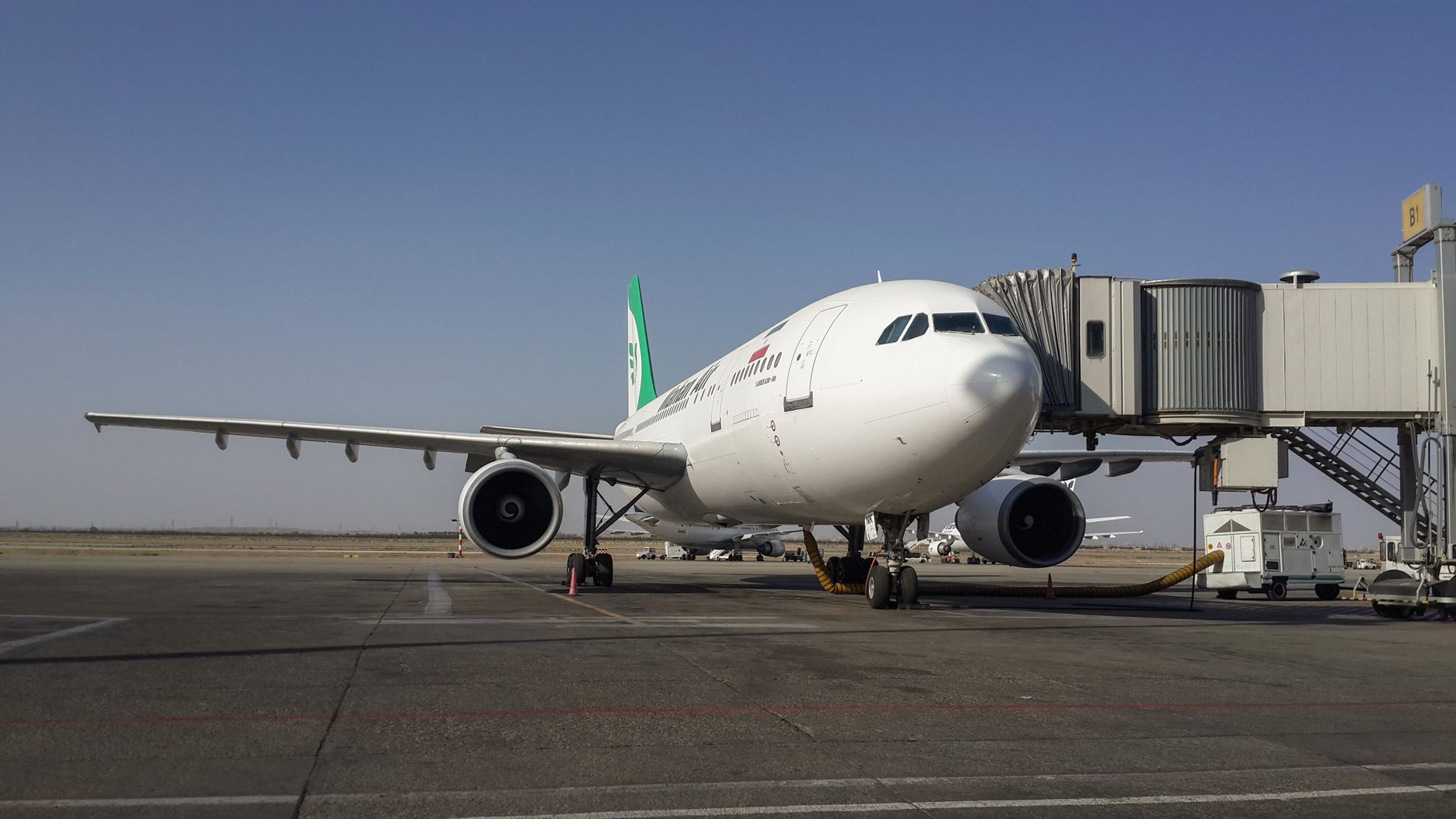
Iranian airlines grounded: The Worst Impact on Travel Plans

Iranian airlines grounded could lead to significant disruptions in air travel. The US has announced plans to impose restrictions starting Wednesday, raising concerns among travelers and the aviation industry.

Impact on Travelers

The recent decision by the US government to threaten the grounding of Iranian airlines has left many travelers in a state of uncertainty. With the looming possibility of Iranian airlines grounded worldwide, passengers are beginning to feel the ripple effect on their travel plans.

Travelers who have booked flights with these airlines face a myriad of challenges, including:

  • Uncertainty regarding flight cancellations and rebooking options.
  • Potential financial losses due to non-refundable tickets.
  • Increased wait times for customer service and support.

For those planning trips to or from Iran, the situation has become increasingly precarious. Many are turning to alternative carriers, but availability may be limited and prices could rise as demand surges. Travel agencies are reporting a significant uptick in inquiries regarding flight changes and cancellations.

The impact is not confined to leisure travelers; business professionals who rely on timely flights for meetings and conferences are also feeling the strain. As the deadline approaches, the travel landscape continues to shift, prompting concerns about future travel to and from Iran.

US Government’s Decision

The recent decision by the US government has sent shockwaves through the airline industry, particularly affecting Iranian airlines grounded due to regulatory measures. This unprecedented move aims to enhance safety standards and compliance with international regulations, but it has left many travelers in distress.

Travelers planning to fly with Iranian airlines are now faced with significant uncertainties. The implications of this decision include:

  • Flight Cancellations: Many flights have already been canceled, leaving passengers scrambling to find alternative travel arrangements.
  • Increased Costs: The sudden need to book last-minute flights with other airlines has resulted in skyrocketing prices.
  • Travel Delays: With limited options available, travelers may experience extended delays in reaching their destinations.
  • Loss of Trust: Frequent flyers with Iranian airlines are beginning to reconsider their loyalty as reliability becomes a concern.

As the situation unfolds, it remains to be seen how long Iranian airlines will remain grounded and what long-term effects this will have on international travel. The travel community is urged to stay informed as new updates emerge.

Response from Iranian Airlines

In response to the escalating tensions and the recent threat from the US government, Iranian airlines have expressed their concerns regarding the potential grounding of flights. Industry leaders are voicing their apprehension about the impact on both domestic and international travel. One airline spokesperson stated:

  • “The grounding of Iranian airlines would lead to significant disruption for travelers and businesses alike.”
  • “We are working diligently to find solutions that will allow us to continue our operations without interruption.”

Airline officials have been in discussions with government representatives to seek clarification on the implications of the US threat. They emphasize that grounding Iranian airlines could result in:

  • Severe delays for passengers.
  • Economic repercussions for the aviation sector.
  • Loss of jobs within the industry.

The airlines are urging the international community to reconsider the decision, citing the potential humanitarian impact on travelers who rely on their services. As they navigate this tumultuous period, the future of Iranian airlines hangs in the balance, with many hoping for a swift resolution to avoid the worst impact on travel plans.

Future of Air Travel in Iran

The recent decision to ground Iranian airlines has raised significant concerns about the future of air travel in Iran. With major airlines facing restrictions, travelers are left questioning their options for both domestic and international flights.

Experts predict that the grounding of these airlines could lead to:

  • Increased ticket prices: With fewer airlines available, competition will diminish, potentially leading to higher fares.
  • Limited flight availability: Many routes may be suspended, forcing travelers to seek alternatives that may not align with their schedules.
  • Impact on tourism: A decrease in international travel could harm Iran’s economy, particularly in regions dependent on tourism.
  • Longer travel times: Travelers may be required to take indirect routes through neighboring countries, resulting in longer journeys.

As the situation evolves, travelers must stay informed about the latest developments regarding Iranian airlines grounded. The unpredictability of air travel in the region means that flexibility and preparedness will be essential for anyone planning a trip in the near future.

The recent decision to keep Iranian airlines grounded has left many travelers scrambling for alternative arrangements. As a result, the consequences of Iranian airlines grounded have rippled through the travel industry, affecting both domestic and international flights.

Photo by Alireza Akhlaghi on Pexels

Read the original

More on this site