ISRO GSLV-F18 launch is set for tonight, marking a significant milestone for India’s space program. This event promises to showcase the country’s advancements in satellite technology.
What to Expect from the ISRO GSLV-F18 Launch
The ISRO GSLV-F18 launch is set to be an exciting event for space enthusiasts and the general public alike. This mission aims to deploy the NVS-03 satellite, which is crucial for enhancing India’s navigation capabilities. As the launch approaches, viewers can expect a well-coordinated event showcasing the prowess of the Indian Space Research Organisation.
Tonight’s launch will highlight several key features:
Launch Time: The GSLV-F18 is scheduled for takeoff at precisely 7:30 PM IST.
Live Coverage: ISRO will provide live streaming on various platforms, ensuring that everyone can witness this milestone.
Mission Objectives: The primary goal of the launch is to position the NVS-03 satellite into geosynchronous orbit, enhancing navigation services across the region.
As spectators prepare for this significant moment, the ISRO GSLV-F18 launch promises to be a remarkable showcase of India’s advancements in space technology.
How to Watch ISRO GSLV-F18 Launch Live
For those eager to witness the ISRO GSLV-F18 launch live, there are several ways to tune in and watch this significant event unfold. The launch is scheduled for tonight, and fans of space exploration can catch all the action from the comfort of their homes.
Here are some reliable options to watch the launch:
ISRO’s Official Website: The Indian Space Research Organisation will stream the event live on its official website, allowing viewers to follow the launch in real-time.
YouTube: ISRO’s YouTube channel will provide a live broadcast, making it accessible to a global audience interested in the GSLV-F18 mission.
Social Media Platforms: Follow ISRO on platforms like Twitter and Facebook for live updates and insights during the launch.
Make sure to mark your calendars for the ISRO GSLV-F18 launch and gather your friends and family to celebrate this remarkable feat of technology and engineering.
Significance of the NVS-03 Satellite
The NVS-03 satellite, to be launched by the ISRO GSLV-F18, plays a crucial role in enhancing India’s navigation capabilities. This satellite is part of the NavIC system, which provides accurate position information services to users across the country and regionally in surrounding areas. The significance of this launch is underscored by the following points:
Enhanced Accuracy: NVS-03 is expected to improve the accuracy of navigation services, benefiting various sectors including transportation and disaster management.
Regional Coverage: With its launch, India aims to extend its navigation services beyond borders, ensuring better connectivity and safety for users across neighboring countries.
Technological Advancement: The satellite incorporates advanced technology, showcasing ISRO’s commitment to innovation and excellence in space exploration.
Strategic Importance: Enhanced navigation capabilities are vital for national security and efficient management of resources.
Thus, the ISRO GSLV-F18 launch signifies a pivotal moment for India’s technological landscape.
Upcoming ISRO Missions to Watch For
As the anticipation builds for the ISRO GSLV-F18 launch, space enthusiasts can look forward to several upcoming missions that promise to showcase India’s prowess in space technology. Here are some notable launches to keep an eye on:
Chandrayaan-3: This lunar mission aims to explore the Moon’s south pole and gather valuable data, potentially setting the stage for future lunar exploration.
Aditya-L1: Designed to study the Sun, this mission will focus on solar activities and their impact on the Earth’s atmosphere, which is crucial for understanding space weather.
Gaganyaan: India’s first human spaceflight program is set to launch, demonstrating ISRO’s commitment to sending astronauts into low Earth orbit.
PSLV-C56: This mission will carry multiple satellites for various customers, showcasing ISRO’s growing commercial launch capabilities.
Each of these missions not only highlights ISRO’s innovative spirit but also contributes to global advancements in space exploration.
space travel to Mars is a daunting prospect that raises questions about human readiness for such an endeavor. As we explore the challenges, the future of interplanetary travel comes into focus.
The Psychological Barriers to Space Travel
As humanity embarks on the ambitious journey of space travel to Mars, the psychological barriers cannot be overlooked. Long-duration missions pose unique challenges that test the mental resilience of astronauts.
One of the primary concerns is isolation. Astronauts will be confined in a spacecraft for months, cut off from their families and the comforts of Earth. This prolonged solitude can lead to feelings of loneliness and anxiety.
Another significant factor is the stress associated with space travel. The high-stakes environment, coupled with the need for constant vigilance, can result in heightened levels of pressure. Crew members must maintain focus and teamwork, which can be difficult in confined spaces.
Additionally, the uncertainty of the journey adds to the psychological strain. Concerns about potential emergencies, physical health, and the unknown aspects of Mars create a mental burden that astronauts must bear.
Experts suggest that pre-mission training and psychological support systems will be crucial in preparing astronauts for these challenges. Understanding the mental health implications of space travel to Mars is essential for ensuring the success of future missions.
Physical Health Risks for Astronauts
As humanity sets its sights on space travel to Mars, physical health risks for astronauts remain a significant concern. The harsh environment of space poses several challenges that could jeopardize the well-being of those journeying to the Red Planet.
One of the most pressing issues is the impact of microgravity on the human body. Prolonged exposure to low-gravity environments can lead to:
Muscle Atrophy: Astronauts may experience a decrease in muscle mass and strength, making it difficult to perform everyday tasks.
Bone Density Loss: The lack of gravitational force can cause bones to weaken, increasing the risk of fractures and other injuries.
Cardiovascular Changes: Space travel can affect heart health, leading to potential cardiovascular issues that could arise during the mission.
Moreover, radiation exposure poses another significant threat. Without the protective atmosphere of Earth, astronauts will be exposed to higher levels of cosmic radiation, increasing their risk for cancer and other health problems.
These physical health risks highlight the need for extensive research and preparation as we advance toward the goal of human space travel to Mars.
Space Travel to Mars: A Reality Check
As humanity stands on the brink of interplanetary exploration, the dream of space travel to Mars brings with it a host of challenges that require careful consideration. While technological advancements have made some progress, a reality check reveals significant hurdles that may impede our journey to the Red Planet.
One major concern is the duration of the mission, which could last up to nine months one way. This extended time in a confined space raises questions about the psychological well-being of astronauts. In addition to the mental strain, the isolation from Earth can lead to feelings of loneliness and anxiety.
Moreover, the harsh environment of Mars presents its own set of difficulties. The planet’s thin atmosphere and extreme temperatures pose risks that must be addressed. Proper shielding against radiation is essential, as prolonged exposure could have detrimental effects on human health.
In light of these factors, experts emphasize the importance of rigorous training and preparation. They suggest that missions should be preceded by extensive simulations to better equip astronauts for the realities of deep space.
Ultimately, while space travel to Mars is an exciting prospect, it is crucial to approach it with caution and thorough planning to ensure the safety and well-being of those who dare to venture into the unknown.
Technological Innovations Needed for Mars Missions
As humanity aims for space travel to Mars, the necessity for groundbreaking technological innovations becomes increasingly evident. NASA and private space companies are investing heavily in advancements that can overcome the myriad challenges of interplanetary travel.
One of the primary areas of focus is propulsion systems. Current rocket technology may not suffice for the long journey to Mars, requiring the development of faster and more efficient engines, such as ion thrusters or nuclear thermal propulsion systems. These innovations could significantly reduce travel time, making missions more feasible.
Moreover, life support systems must be enhanced to sustain astronauts for extended periods. This includes advancements in air recycling, water purification, and food production, ensuring that crews can survive and thrive on their journey and during their stay on Mars.
Another critical technological innovation is radiation protection. Space travelers are exposed to higher levels of cosmic radiation, which poses a significant health risk. Developing effective shielding materials and habitats will be essential to safeguard astronauts on their mission.
Finally, autonomous systems and robotics will play a key role in Mars exploration, helping to prepare the Martian environment for human arrival and conducting preliminary research. These innovations are crucial for ensuring the success of future missions to the Red Planet.
Public Interest in Mars Exploration
As the dream of space travel to Mars continues to capture the imagination of people around the world, public interest in Mars exploration has never been higher. Numerous factors contribute to this growing enthusiasm, including scientific advancements, popular media representations, and ongoing missions to explore our neighboring planet.
One significant driver of public interest is the portrayal of Mars missions in films and television shows. These narratives often highlight the potential for human colonization and the discovery of extraterrestrial life, inspiring audiences to envision a future where space travel becomes a reality.
In addition, social media platforms have amplified discussions surrounding Mars exploration, allowing enthusiasts and experts alike to share insights and developments at an unprecedented scale. This has fostered a global community eager to engage with the possibilities that space travel to Mars presents.
Moreover, scientific organizations and private companies are actively working to capture the public’s imagination through educational campaigns and interactive experiences. These initiatives aim to bridge the gap between complex scientific concepts and general understanding, making the prospect of human life on Mars more relatable and tangible.
As excitement builds, it is essential to recognize that the challenges ahead for successful Mars missions require not only technological advancements but also sustained public support and interest.
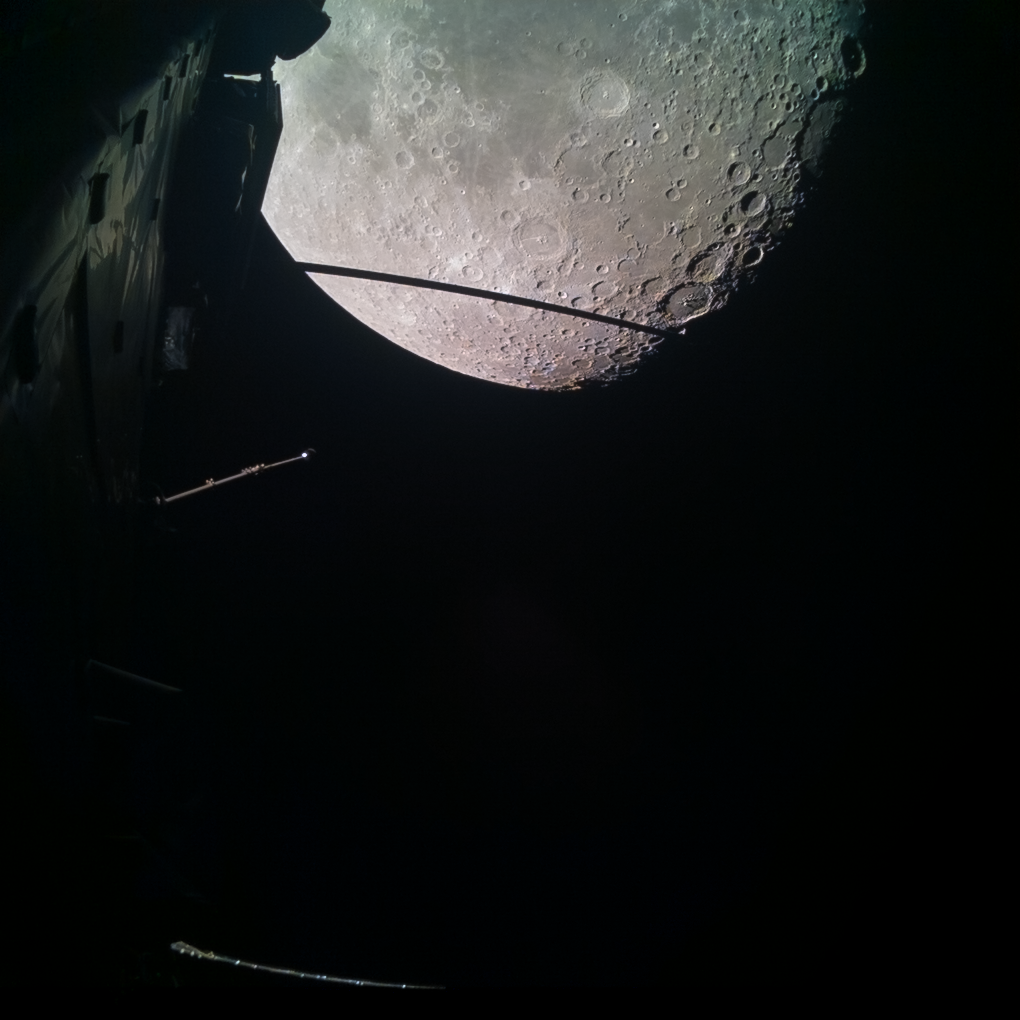
Juice spacecraft flyby was marked by a significant course change. During its Earth flyby, the spacecraft altered its trajectory by 20°, ensuring a successful mission ahead.
What is the Juice spacecraft?
The Juice spacecraft, which stands for Jupiter Icy Moons Explorer, is a cutting-edge mission developed by the European Space Agency (ESA). Designed to explore the intriguing moons of Jupiter, the spacecraft aims to enhance our understanding of these celestial bodies, particularly Europa, Ganymede, and Callisto. These moons are believed to harbor subsurface oceans, making them prime candidates in the search for extraterrestrial life.
Launched in April 2023, Juice is equipped with a suite of scientific instruments that will allow it to conduct detailed analyses of the moons’ surfaces, atmospheres, and potential habitability. With a mass of approximately 2,500 kilograms, the spacecraft is engineered to withstand the harsh conditions of space travel and the intense radiation of Jupiter’s environment.
During its Earth flyby, the Juice spacecraft changed course by 20°, a critical maneuver that helped optimize its trajectory toward the gas giant. This flyby is a vital step in the mission, allowing the spacecraft to gain speed and adjust its path as it embarks on a long journey that will take several years to complete. The Juice spacecraft flyby not only demonstrates the precision of the mission planning but also highlights the innovative methods used to navigate through the solar system effectively.
Details of the Earth flyby
The recent Juice spacecraft flyby has provided critical insights into the mission’s trajectory adjustment. As the spacecraft approached Earth, a significant course correction was executed, altering its path by 20 degrees. This strategic maneuver was essential for ensuring the spacecraft’s successful journey to its primary target, the Jovian system.
During the flyby, the Juice spacecraft harnessed Earth’s gravity, a technique known as gravitational assist, to gain the necessary speed for its interplanetary journey. This approach not only saves fuel but also enables the spacecraft to reach its destination more efficiently.
The key details of the Earth flyby include:
Date of the flyby: The flyby occurred on a specified date in October 2023.
Altitude: Juice flew at an altitude of approximately 1,500 kilometers above Earth’s surface.
Scientific objectives: The flyby aimed to collect data on Earth’s atmosphere and magnetic field, providing valuable information for future missions.
Communications: The spacecraft successfully transmitted data back to mission control throughout the flyby.
This flyby not only demonstrates the spacecraft’s advanced navigation capabilities but also reinforces the importance of such maneuvers in deep space exploration.
Importance of trajectory changes
The recent Juice spacecraft flyby highlights the critical importance of trajectory changes in space missions. Adjustments to a spacecraft’s path can significantly enhance its chances of successful scientific exploration and data collection.
One key aspect of trajectory changes is their ability to optimize fuel efficiency. By altering its course, the Juice spacecraft can conserve fuel for future maneuvers and extend its operational life. This is particularly vital for missions that span several years, as fuel reserves directly impact the duration and scope of scientific investigations.
Moreover, trajectory adjustments allow spacecraft to achieve more favorable alignments with their targets. In the case of the Juice spacecraft, the 20° change during its Earth flyby not only aided in navigation but also positioned the spacecraft to gather crucial data from the Earth’s atmosphere and magnetic field. Such data will be essential in understanding the broader implications of the mission.
Additionally, trajectory changes can facilitate the timing of encounters with celestial bodies. By carefully planning and executing these adjustments, mission teams can ensure that the spacecraft arrives at its destination when conditions are most favorable for observation and study.
In summary, the significance of trajectory changes in missions like the Juice spacecraft flyby cannot be overstated. They are fundamental to maximizing scientific returns and ensuring the mission’s overall success.
Future mission plans
The successful flyby of the Juice spacecraft marks a significant milestone in its mission to explore the icy moons of Jupiter. Following the recent trajectory adjustments, the mission team has outlined several future plans that capitalize on this altered course.
One of the primary objectives is to conduct further scientific observations during the spacecraft’s journey. The Juice spacecraft flyby has provided valuable data regarding Earth’s atmosphere and gravitational effects, which will be instrumental in refining the spacecraft’s navigation for future encounters.
In the coming months, the mission team will focus on:
Preparing for Jupiter’s gravitational assist: This maneuver is crucial for Juice to reach its final destination, the Jovian system.
Enhancing instrument calibration: Data collected during the flyby will be used to fine-tune scientific instruments, ensuring optimal performance when studying Jupiter’s moons.
Engaging with the scientific community: The team plans to share findings from the flyby and gather insights from other researchers to inform future mission phases.
As Juice continues its journey through the solar system, the strategic trajectory adjustments highlight the flexibility and adaptability of space missions. This not only enhances the scientific return but also sets the stage for groundbreaking discoveries regarding the potential habitability of icy worlds.
Scientific goals of the Juice mission
The Juice spacecraft, launched by the European Space Agency, has ambitious scientific goals that aim to deepen our understanding of Jupiter and its moons. One of the primary objectives of the Juice mission is to study Europa, which is believed to harbor a subsurface ocean. This ocean might hold the key to understanding the potential for life beyond Earth.
Additionally, the spacecraft aims to explore Ganymede, the only moon in the solar system known to have its own magnetic field. Investigating this moon could provide insights into its geological history and the processes that govern its environment.
Another significant target is Callisto, which offers a unique perspective on the impact history of the outer solar system, as its surface is heavily cratered. By examining Callisto, scientists hope to unveil details about the early solar system conditions.
The Juice spacecraft flyby not only serves as a crucial maneuver for trajectory adjustments but also strengthens the mission’s scientific objectives. Through these flybys and subsequent observations, the mission aims to gather vital data that will help answer fundamental questions about the formation and evolution of planetary systems.
Study of Europa’s subsurface ocean
Investigation of Ganymede’s magnetic field
Analysis of Callisto’s impact history
The insights gained from these scientific goals will significantly contribute to our understanding of the potential for life elsewhere in the universe.
The recent adjustments made during the Juice spacecraft flyby demonstrate the mission’s adaptability in navigating complex gravitational fields. This strategic maneuver during the Juice spacecraft flyby could enhance our understanding of Jupiter’s moons.
The far-infrared telescope is set to revolutionize our understanding of the universe. NASA’s new $1.2 billion project aims to uncover secrets that have eluded scientists for decades.
What is the Far-Infrared Telescope?
The far-infrared telescope is a cutting-edge astronomical instrument designed to observe celestial objects in the far-infrared spectrum. This spectrum is crucial for studying various astronomical phenomena that are not easily detectable in visible light. By utilizing specialized detectors, the far-infrared telescope can capture the faint heat emitted by distant stars, galaxies, and cosmic dust.
NASA’s latest announcement regarding the new $1.2 billion mission highlights the telescope’s potential. It aims to explore the origins of stars, the formation of galaxies, and the evolution of the universe itself. The far-infrared telescope will provide valuable data that can enhance our understanding of:
The lifecycle of stars – tracking their birth, evolution, and death.
Galaxy formation – uncovering the processes that lead to the creation of galaxies.
Cosmic dust – investigating the role of dust in star formation.
Ultimately, this innovative instrument may unlock many secrets that have puzzled astronomers for decades.
How Will It Change Astronomy?
The introduction of the far-infrared telescope is set to revolutionize our understanding of the universe in several key ways. By capturing emissions from celestial bodies that are otherwise obscured by dust, this telescope will allow astronomers to observe previously hidden phenomena.
One significant benefit is its ability to study star formation in detail. The far-infrared telescope will enable researchers to peer into dense clouds where stars are born, providing insights into the early stages of stellar evolution.
Additionally, it will enhance our knowledge of galaxy formation and evolution. By examining the infrared emissions from distant galaxies, scientists can trace the history of the cosmos more accurately.
Moreover, this technology will facilitate the exploration of exoplanets. The far-infrared telescope can analyze the atmospheres of these distant worlds, potentially identifying signs of habitability or even life.
In summary, the advent of the far-infrared telescope is poised to transform astronomy, unlocking secrets that have long remained hidden in the depths of space.
Funding and Budget Details
The development of the far-infrared telescope has garnered significant attention not only for its scientific potential but also for its substantial funding. NASA recently announced a budget allocation of $1.2 billion dedicated to this groundbreaking project. This funding is aimed at enhancing our understanding of the universe by exploring previously uncharted territories of space.
The financial backing will facilitate the construction, launch, and operation of the telescope, which is expected to provide invaluable data on cosmic phenomena. The money will be used for:
Research and development of advanced technology.
Building and testing the telescope components.
Launch preparations and mission operations.
Post-launch data analysis and dissemination to the scientific community.
As the project unfolds, the allocation of resources will be closely monitored to ensure that the far-infrared telescope meets its ambitious goals. Experts believe that this investment will lead to significant breakthroughs in our understanding of the universe’s origins and evolution.
Timeline for Launch and Operations
The timeline for the launch and operations of the far-infrared telescope has been meticulously planned to ensure a successful mission. NASA has announced that the telescope is set to launch in 2027, with extensive preparations already underway.
The project is currently in the development phase, where engineers and scientists are finalizing the design and technology needed for the telescope to function optimally in space. Following the launch, the telescope will undergo a series of tests and calibrations before it begins its scientific operations.
The scientific community anticipates that the far-infrared telescope will be operational by 2028. During its mission, it will explore various astronomical phenomena, including the formation of stars and galaxies. Key milestones leading up to the launch include:
2025: Completion of the final design review
2026: Integration of scientific instruments and systems
2027: Launch and initial deployment in orbit
This timeline reflects NASA’s commitment to advancing our understanding of the universe.
Expected Discoveries from the Telescope
The introduction of the far-infrared telescope is set to revolutionize our understanding of the universe, promising a range of significant discoveries. Researchers anticipate that this advanced telescope will allow them to explore the following areas:
Formation of Stars and Galaxies: The far-infrared telescope will delve into the dense clouds of gas and dust where stars are born, providing insights into the early stages of galaxy formation.
Exoplanet Atmospheres: With its unique capabilities, the telescope will analyze the atmospheres of distant exoplanets, searching for chemical signatures that may indicate habitability.
Cosmic Background Radiation: By studying the faint glow left over from the Big Bang, researchers hope to uncover clues about the universe’s origins and its expansion.
Dark Matter and Dark Energy: The telescope’s observations could help to shed light on the mysterious components that make up most of the universe, enhancing our understanding of its fundamental nature.
Overall, the far-infrared telescope is expected to unlock secrets that have long eluded astronomers, paving the way for groundbreaking discoveries.
Comparison with Other Telescopes
When comparing the far-infrared telescope to other astronomical instruments, several key differences emerge. Traditional optical telescopes primarily capture visible light, which limits their ability to observe celestial phenomena obscured by dust clouds. In contrast, the far-infrared telescope is designed to detect longer wavelengths of light, allowing it to peer through these barriers and explore regions of star formation and the early universe.
Additionally, radio telescopes, while effective for studying cosmic microwave background radiation, cannot provide the same level of detail in the far-infrared spectrum. This makes the far-infrared telescope particularly valuable for studying the chemical composition of distant galaxies and the formation of planetary systems.
Another advantage is its sensitivity to cold objects, such as comets and dark matter, which often do not emit visible light. By leveraging these unique capabilities, the far-infrared telescope could become a crucial instrument in unlocking the universe’s secrets, providing insights that other telescopes may not achieve.
As research continues, the role of the far-infrared telescope in the broader field of astronomy remains pivotal.
Challenges in Far-Infrared Observations
The deployment of the far-infrared telescope presents several challenges that scientists and engineers must address to maximize its potential. These challenges stem from the unique properties of far-infrared light and the conditions required for accurate observations.
Atmospheric Interference: The Earth’s atmosphere absorbs a significant amount of far-infrared radiation, which can hinder observations. To mitigate this, the telescope must be placed in a location with minimal atmospheric disturbance.
Cryogenic Cooling: Far-infrared instruments operate optimally at very low temperatures. Maintaining these temperatures is crucial for reducing noise and improving sensitivity, requiring advanced cooling technologies.
Data Processing: The vast amount of data generated by the far-infrared telescope necessitates sophisticated processing algorithms. Researchers must develop effective methods to analyze and interpret this data efficiently.
Cost and Resources: With a budget of $1.2 billion, ensuring that funds are allocated effectively is vital for addressing these challenges and ensuring the success of the mission.
Despite these hurdles, the potential discoveries from the far-infrared telescope could revolutionize our understanding of the universe.
Public Interest and Engagement
As excitement builds around NASA’s announcement of a new $1.2 billion far-infrared telescope, public interest and engagement have surged. The telescope aims to explore the cosmos like never before, opening doors to new discoveries that could reshape our understanding of the universe.
Many citizens are eager to learn about the advancements in technology that will enable the far-infrared telescope to detect elusive cosmic phenomena. This interest is reflected in various outreach programs, including:
Community Workshops: Local events aimed at educating the public about the science behind the telescope.
Online Webinars: Virtual sessions featuring experts discussing the mission and its potential impact on astronomy.
Social Media Campaigns: Engaging posts that share updates and insights into the telescope’s development and objectives.
Moreover, the collaboration between scientists and educational institutions fosters a deeper understanding of astronomy among students and enthusiasts alike, ensuring that the public remains informed and invested in the far-infrared telescope’s journey.