
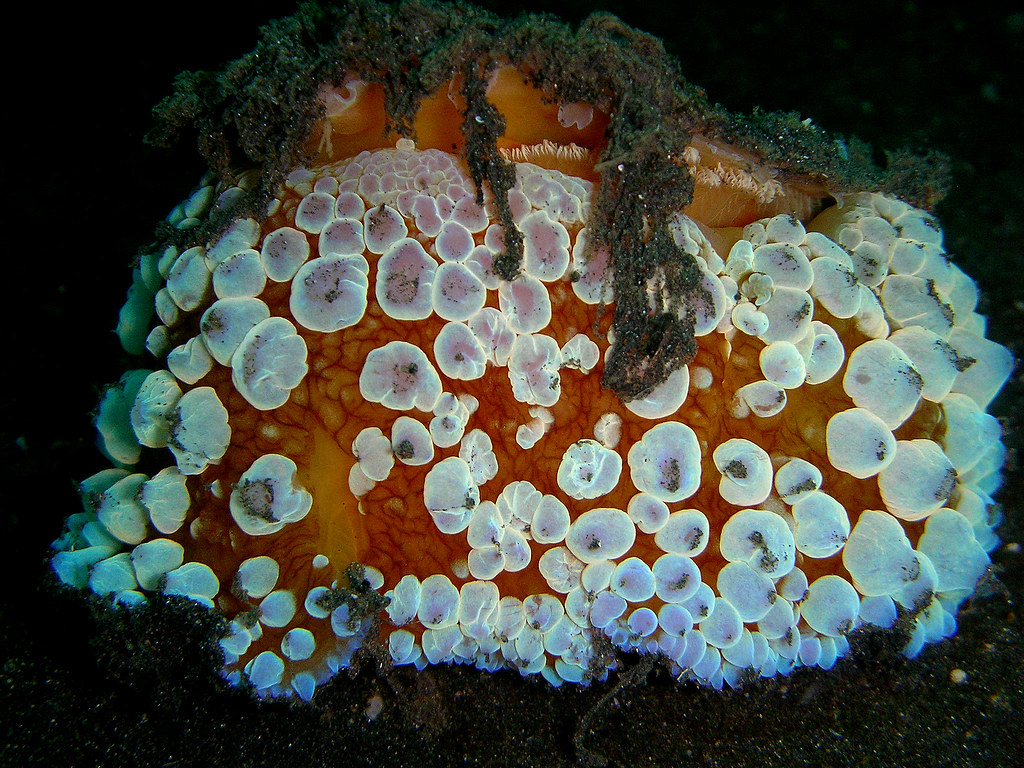

Underwater umbrellas for corals: A smart solution for hotter seas
Underwater umbrellas for corals may provide a crucial lifeline as ocean temperatures rise. This innovative approach aims to protect coral reefs from the damaging effects of climate change, offering hope for marine ecosystems.
The Impact of Climate Change on Coral Reefs
Climate change has increasingly threatened the delicate ecosystems of coral reefs, leading to widespread bleaching and mortality. Rising ocean temperatures, primarily driven by human activities, have caused significant stress to these vital marine habitats. As water temperatures climb, corals expel the symbiotic algae known as zooxanthellae, which provide them with essential nutrients and vibrant colors. Without these algae, corals become pale, weakening their overall health and resilience.
The impact of climate change is not only a local issue but also a global concern. According to recent studies, nearly 75% of the world’s coral reefs are currently experiencing bleaching events. Loss of coral reefs threatens biodiversity, impacts fisheries, and disrupts coastal protection against storms and erosion.
In response to these challenges, researchers are exploring innovative solutions such as underwater umbrellas for corals. These structures aim to provide shade and reduce the temperature of the surrounding water, potentially mitigating the effects of heat stress. By utilizing these underwater umbrellas, scientists hope to create a more stable environment for corals, giving them a fighting chance against the increasingly hostile conditions brought on by climate change.
How Underwater Umbrellas Work
Underwater umbrellas for corals are an innovative approach to combat the detrimental effects of rising sea temperatures. These specially designed structures provide shade, mimicking the natural canopies found in healthy reef ecosystems. By blocking direct sunlight, they help to lower water temperatures in the immediate vicinity, offering a respite for stressed coral populations.
The umbrellas are constructed from durable, eco-friendly materials that can withstand harsh ocean conditions. They are anchored securely to the seabed to prevent displacement by currents and waves. When deployed, these structures create microhabitats that not only protect corals from thermal stress but also support the growth of symbiotic algae, which are crucial for coral health.
Research has shown that shaded corals exhibit improved resilience against bleaching events. The implementation of underwater umbrellas for corals is still in the experimental stages, but early results are promising. Marine biologists are optimistic that this technology could be a game-changer in coral conservation efforts.
As the climate crisis continues to threaten marine ecosystems, solutions like underwater umbrellas may play a vital role in safeguarding coral reefs for future generations.
Benefits of Underwater Umbrellas for Marine Life
Underwater umbrellas for corals present a range of benefits that could significantly enhance the resilience of marine ecosystems. These innovative structures not only provide shade but also create a microhabitat that can help protect corals from the adverse effects of rising sea temperatures.
- Temperature Regulation: By blocking direct sunlight, underwater umbrellas can lower water temperatures in their vicinity, providing a cooler environment for sensitive coral species.
- Reduced Stress: Corals often experience stress due to elevated temperatures, which can lead to bleaching. The shaded areas created by these umbrellas allow corals to thrive in otherwise inhospitable conditions.
- Enhanced Biodiversity: The presence of underwater umbrellas can attract a variety of marine life, fostering biodiversity. This can help maintain the ecological balance within coral reef systems.
- Protection from Storms: In addition to thermal regulation, underwater umbrellas can act as physical barriers, offering some protection against strong currents and storm surges that can damage coral structures.
By integrating underwater umbrellas for corals into conservation efforts, researchers and marine biologists are exploring a promising avenue to combat the impacts of climate change on fragile marine ecosystems.
Real-World Applications of This Technology
The innovative concept of underwater umbrellas for corals is gaining traction in various marine conservation projects around the globe. These structures are designed to provide shade and protection for coral reefs, which are increasingly threatened by rising sea temperatures and ocean acidification. Here are some notable real-world applications:
- Research Initiatives: Marine biologists are conducting experiments in controlled environments to assess the effectiveness of underwater umbrellas in promoting coral health. By deploying these umbrellas in different locations, researchers can monitor their impact on coral growth and resilience.
- Restoration Projects: In some regions, conservationists are integrating underwater umbrellas into coral restoration efforts. These structures help create microhabitats that mitigate stress from increased sunlight and heat, enhancing survival rates for transplanted coral species.
- Community Engagement: Local communities are being educated about the benefits of underwater umbrellas for corals, fostering support for marine conservation initiatives. Workshops and demonstrations are helping to promote this innovative technology as a viable tool for protecting vital ecosystems.
As these projects demonstrate, underwater umbrellas for corals could become an essential part of our toolkit in combating the adverse effects of climate change on marine environments.
Challenges in Implementing Underwater Umbrellas
While the concept of underwater umbrellas for corals presents a promising solution to combat the impacts of climate change, several challenges remain in their implementation.
- Material Durability: The materials used for constructing these umbrellas must withstand harsh marine environments, including strong currents, saltwater corrosion, and marine life interactions. Finding long-lasting materials that can maintain structural integrity over time is crucial.
- Installation Logistics: Deploying these structures in sensitive coral reef areas requires careful planning and execution. The logistics of installation can be complex, involving specialized equipment and trained personnel to minimize disturbance to the existing ecosystem.
- Ecological Impact: There is a need to assess how underwater umbrellas might affect the surrounding marine life. Potential unintended consequences, such as altering local hydrodynamics or shading out other species, must be studied to ensure ecological balance.
- Funding and Resources: Securing financial backing and resources for research, development, and implementation can be a significant hurdle. Innovative funding models, such as partnerships with environmental organizations, may be necessary to advance this technology.
Addressing these challenges is essential to realize the full potential of underwater umbrellas for corals in the fight against rising sea temperatures.
Future of Coral Conservation Strategies
The future of coral conservation strategies is increasingly leaning towards innovative solutions like underwater umbrellas for corals. As the effects of climate change intensify, traditional methods of reef protection may not suffice. Therefore, adopting advanced technologies is crucial for ensuring the survival of these vital ecosystems.
One promising direction is the integration of underwater umbrellas into broader marine conservation efforts. These structures can provide much-needed shade during periods of extreme heat, allowing corals to thrive in conditions that would otherwise be detrimental to their health. Researchers are exploring the potential for these umbrellas to be deployed in combination with other restoration techniques, creating a multifaceted approach to coral conservation.
Additionally, collaboration among scientists, conservationists, and policymakers will be essential in advancing these strategies. By pooling resources and expertise, stakeholders can ensure that underwater umbrellas are effectively implemented and monitored. Public awareness and community involvement will also play a significant role in the success of these initiatives, as local populations can be instrumental in the maintenance and protection of coral habitats.
Ultimately, the future of coral reefs may hinge on such innovative interventions, making underwater umbrellas for corals a focal point in conservation discussions.
By Stephen Childs via Openverse
Where this came from
You might also like
Drishyam 3 Box Office: Is It the Best Collection Yet? · Helium Leak Exoplanet: Clear Evidence of Possible Life · Mamata Banerjee election 2031: Shocking AI Predictions Revealed