Underwater umbrellas for corals: A smart solution for hotter seas

Underwater umbrellas for corals may provide a crucial lifeline as ocean temperatures rise. This innovative approach aims to protect coral reefs from the damaging effects of climate change, offering hope for marine ecosystems.

The Impact of Climate Change on Coral Reefs

Climate change has increasingly threatened the delicate ecosystems of coral reefs, leading to widespread bleaching and mortality. Rising ocean temperatures, primarily driven by human activities, have caused significant stress to these vital marine habitats. As water temperatures climb, corals expel the symbiotic algae known as zooxanthellae, which provide them with essential nutrients and vibrant colors. Without these algae, corals become pale, weakening their overall health and resilience.

The impact of climate change is not only a local issue but also a global concern. According to recent studies, nearly 75% of the world’s coral reefs are currently experiencing bleaching events. Loss of coral reefs threatens biodiversity, impacts fisheries, and disrupts coastal protection against storms and erosion.

In response to these challenges, researchers are exploring innovative solutions such as underwater umbrellas for corals. These structures aim to provide shade and reduce the temperature of the surrounding water, potentially mitigating the effects of heat stress. By utilizing these underwater umbrellas, scientists hope to create a more stable environment for corals, giving them a fighting chance against the increasingly hostile conditions brought on by climate change.

How Underwater Umbrellas Work

Underwater umbrellas for corals are an innovative approach to combat the detrimental effects of rising sea temperatures. These specially designed structures provide shade, mimicking the natural canopies found in healthy reef ecosystems. By blocking direct sunlight, they help to lower water temperatures in the immediate vicinity, offering a respite for stressed coral populations.

The umbrellas are constructed from durable, eco-friendly materials that can withstand harsh ocean conditions. They are anchored securely to the seabed to prevent displacement by currents and waves. When deployed, these structures create microhabitats that not only protect corals from thermal stress but also support the growth of symbiotic algae, which are crucial for coral health.

Research has shown that shaded corals exhibit improved resilience against bleaching events. The implementation of underwater umbrellas for corals is still in the experimental stages, but early results are promising. Marine biologists are optimistic that this technology could be a game-changer in coral conservation efforts.

As the climate crisis continues to threaten marine ecosystems, solutions like underwater umbrellas may play a vital role in safeguarding coral reefs for future generations.

Benefits of Underwater Umbrellas for Marine Life

Underwater umbrellas for corals present a range of benefits that could significantly enhance the resilience of marine ecosystems. These innovative structures not only provide shade but also create a microhabitat that can help protect corals from the adverse effects of rising sea temperatures.

  • Temperature Regulation: By blocking direct sunlight, underwater umbrellas can lower water temperatures in their vicinity, providing a cooler environment for sensitive coral species.
  • Reduced Stress: Corals often experience stress due to elevated temperatures, which can lead to bleaching. The shaded areas created by these umbrellas allow corals to thrive in otherwise inhospitable conditions.
  • Enhanced Biodiversity: The presence of underwater umbrellas can attract a variety of marine life, fostering biodiversity. This can help maintain the ecological balance within coral reef systems.
  • Protection from Storms: In addition to thermal regulation, underwater umbrellas can act as physical barriers, offering some protection against strong currents and storm surges that can damage coral structures.

By integrating underwater umbrellas for corals into conservation efforts, researchers and marine biologists are exploring a promising avenue to combat the impacts of climate change on fragile marine ecosystems.

Real-World Applications of This Technology

The innovative concept of underwater umbrellas for corals is gaining traction in various marine conservation projects around the globe. These structures are designed to provide shade and protection for coral reefs, which are increasingly threatened by rising sea temperatures and ocean acidification. Here are some notable real-world applications:

  • Research Initiatives: Marine biologists are conducting experiments in controlled environments to assess the effectiveness of underwater umbrellas in promoting coral health. By deploying these umbrellas in different locations, researchers can monitor their impact on coral growth and resilience.
  • Restoration Projects: In some regions, conservationists are integrating underwater umbrellas into coral restoration efforts. These structures help create microhabitats that mitigate stress from increased sunlight and heat, enhancing survival rates for transplanted coral species.
  • Community Engagement: Local communities are being educated about the benefits of underwater umbrellas for corals, fostering support for marine conservation initiatives. Workshops and demonstrations are helping to promote this innovative technology as a viable tool for protecting vital ecosystems.

As these projects demonstrate, underwater umbrellas for corals could become an essential part of our toolkit in combating the adverse effects of climate change on marine environments.

Challenges in Implementing Underwater Umbrellas

While the concept of underwater umbrellas for corals presents a promising solution to combat the impacts of climate change, several challenges remain in their implementation.

  • Material Durability: The materials used for constructing these umbrellas must withstand harsh marine environments, including strong currents, saltwater corrosion, and marine life interactions. Finding long-lasting materials that can maintain structural integrity over time is crucial.
  • Installation Logistics: Deploying these structures in sensitive coral reef areas requires careful planning and execution. The logistics of installation can be complex, involving specialized equipment and trained personnel to minimize disturbance to the existing ecosystem.
  • Ecological Impact: There is a need to assess how underwater umbrellas might affect the surrounding marine life. Potential unintended consequences, such as altering local hydrodynamics or shading out other species, must be studied to ensure ecological balance.
  • Funding and Resources: Securing financial backing and resources for research, development, and implementation can be a significant hurdle. Innovative funding models, such as partnerships with environmental organizations, may be necessary to advance this technology.

Addressing these challenges is essential to realize the full potential of underwater umbrellas for corals in the fight against rising sea temperatures.

Future of Coral Conservation Strategies

The future of coral conservation strategies is increasingly leaning towards innovative solutions like underwater umbrellas for corals. As the effects of climate change intensify, traditional methods of reef protection may not suffice. Therefore, adopting advanced technologies is crucial for ensuring the survival of these vital ecosystems.

One promising direction is the integration of underwater umbrellas into broader marine conservation efforts. These structures can provide much-needed shade during periods of extreme heat, allowing corals to thrive in conditions that would otherwise be detrimental to their health. Researchers are exploring the potential for these umbrellas to be deployed in combination with other restoration techniques, creating a multifaceted approach to coral conservation.

Additionally, collaboration among scientists, conservationists, and policymakers will be essential in advancing these strategies. By pooling resources and expertise, stakeholders can ensure that underwater umbrellas are effectively implemented and monitored. Public awareness and community involvement will also play a significant role in the success of these initiatives, as local populations can be instrumental in the maintenance and protection of coral habitats.

Ultimately, the future of coral reefs may hinge on such innovative interventions, making underwater umbrellas for corals a focal point in conservation discussions.

By Stephen Childs via Openverse

Where this came from

Euronews.com

You might also like

Drishyam 3 Box Office: Is It the Best Collection Yet? · Helium Leak Exoplanet: Clear Evidence of Possible Life · Mamata Banerjee election 2031: Shocking AI Predictions Revealed
Is Swimming with Manta Rays the Best Adventure in Maldives?

Swimming with manta rays in the Maldives is an incredible experience that attracts adventure seekers and nature lovers alike. This unique opportunity allows visitors to connect with these majestic creatures in their natural habitat.

What to Expect When Swimming with Manta Rays

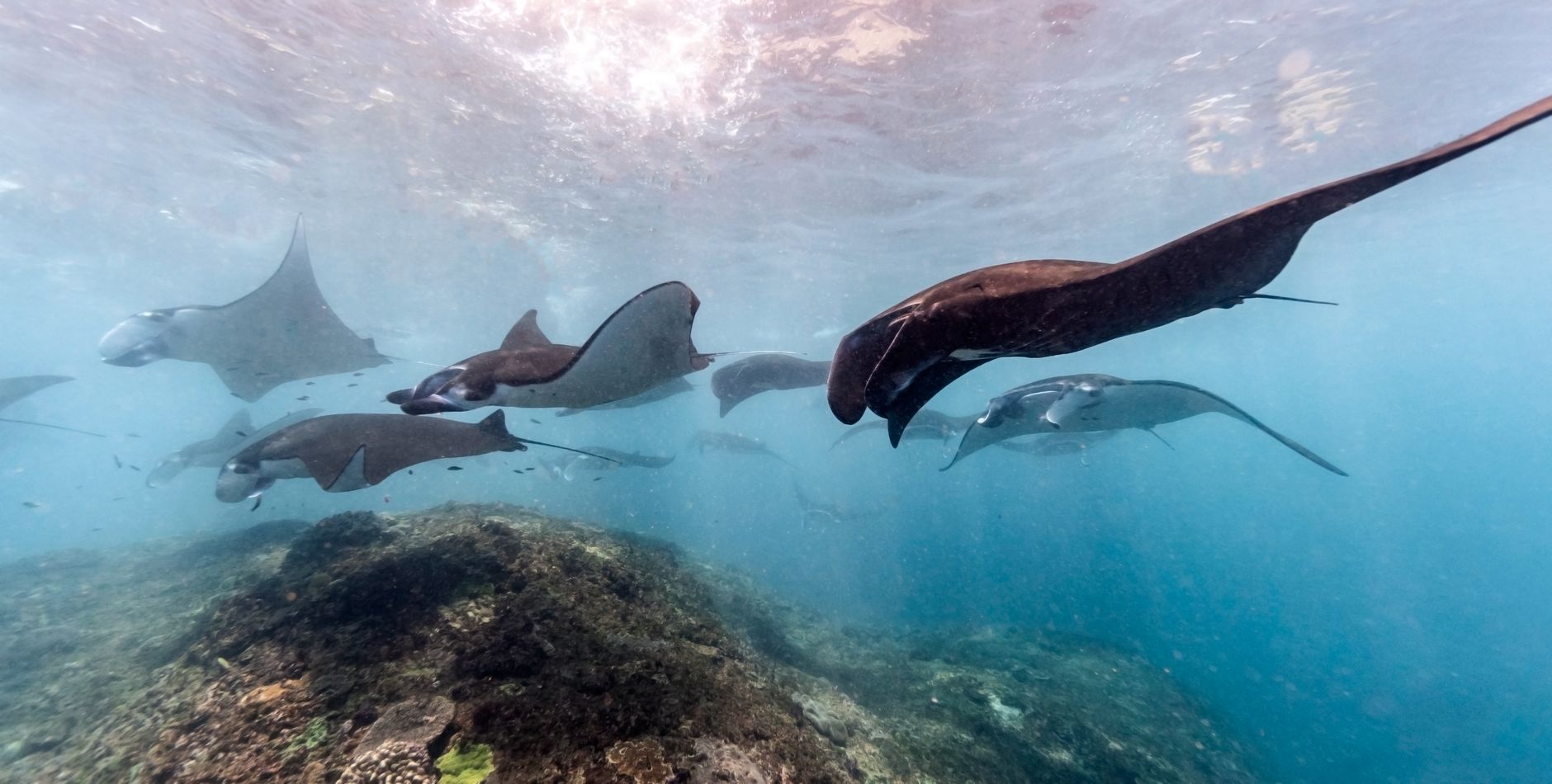
Swimming with manta rays is an exhilarating experience that offers a unique opportunity to connect with these majestic creatures in their natural habitat. When you embark on this adventure in the Maldives, there are several aspects to consider.

Firstly, you can expect to encounter large groups of manta rays, often referred to as a “feast.” They gather in specific locations where plankton, their primary food source, is abundant. This phenomenon usually occurs between the months of May and November, providing an ideal time for snorkeling or diving.

  • Equipment: Most tour operators provide snorkeling gear, but it’s wise to bring your own for comfort.
  • Guided Tours: Experienced guides will lead you to the best spots, ensuring your safety and enhancing your experience.
  • Respectful Interaction: Maintaining a respectful distance is crucial to avoid disturbing the manta rays.

Overall, swimming with manta rays is not only an unforgettable adventure but also a chance to appreciate the beauty of marine life in the Maldives. Embrace the experience and create lasting memories underwater.

Best Locations for Manta Ray Encounters

Swimming with manta rays is a thrilling experience, and the Maldives offers some of the best locations for these encounters. Visitors seeking to connect with these gentle giants should consider the following spots:

  • Hanifaru Bay: Renowned for its vibrant marine life, this UNESCO Biosphere Reserve is a hotspot for manta ray aggregation during the feeding season, typically from May to November.
  • Manta Point: Located near the island of Nusa Lembongan, this dive site attracts manta rays year-round, providing excellent opportunities for swimming and observing their graceful movements.
  • Maafushi: This island offers guided tours specifically focused on swimming with manta rays, ensuring a safe and memorable experience for all levels of swimmers.
  • Thulusdhoo: Known for its clear waters and abundant marine life, Thulusdhoo is another ideal location where swimming with manta rays can be seamlessly integrated into a diving or snorkeling adventure.

These locations not only provide breathtaking underwater scenery but also guarantee encounters with the majestic manta rays, making for an unforgettable adventure in the Maldives.

Safety Tips for Swimming with Manta Rays

Swimming with manta rays can be an unforgettable experience, but safety should always be a priority. Here are some essential tips to ensure a safe and enjoyable adventure.

  • Respect the Wildlife: Always maintain a safe distance from the manta rays. Approaching too closely can stress them and disrupt their natural behavior.
  • Follow Guidelines: If you’re with a tour group, listen to your guide’s instructions. They are trained to keep both you and the manta rays safe.
  • Wear Appropriate Gear: A wetsuit can provide warmth and protection. Also, consider using biodegradable sunscreen to prevent harming marine life.
  • Stay Calm: If you feel anxious while swimming with manta rays, take a moment to relax. Panicking can lead to erratic movements that might scare away the animals.
  • Keep an Eye on Your Surroundings: Be aware of other swimmers and marine life around you. This will help avoid accidental collisions.

By following these safety tips, you can enhance your experience of swimming with manta rays while ensuring their well-being.

The Best Time of Year for Manta Ray Sightings

When planning an adventure centered around swimming with manta rays, timing is crucial for an unforgettable experience. The Maldives offers optimal conditions for manta ray sightings during specific months of the year.

Generally, the best time to witness these magnificent creatures is between May and November. During this period, the waters are rich in plankton, attracting manta rays to the area for feeding.

  • May to August: This is considered the peak season for manta ray sightings, particularly around the famous Hanifaru Bay.
  • September to November: While slightly less crowded, this time frame still offers excellent opportunities to encounter these gentle giants.

In contrast, the dry season, from December to April, is less favorable for seeing manta rays due to lower plankton concentrations. Although visibility is often better during these months, the chances of swimming with manta rays diminish significantly.

To maximize your chances, plan your visit during the wet season and be prepared to witness the awe-inspiring beauty of swimming with manta rays in their natural habitat.

How to Prepare for Your Manta Ray Swim

Preparing for your adventure of swimming with manta rays requires careful planning to ensure a safe and enjoyable experience. Here are some essential tips to help you get ready for this unforgettable encounter:

  • Choose the Right Equipment: Invest in a quality snorkel and mask that fit well. Consider bringing a wetsuit to stay warm in cooler waters, especially during early morning swims.
  • Stay Hydrated: Drink plenty of water before your swim. The tropical heat can be intense, and hydration is key to maintaining energy levels.
  • Practice Your Swimming Skills: Familiarize yourself with swimming in open waters. Being comfortable in the ocean will enhance your confidence when swimming with manta rays.
  • Learn About Manta Rays: Understanding their behavior and habitat will enrich your experience. Manta rays are gentle giants, and knowing how to interact with them responsibly is crucial.
  • Book with a Reputable Tour Operator: Ensure you choose a tour that prioritizes eco-friendly practices and follows guidelines for swimming with manta rays.

With the right preparation, your adventure of swimming with manta rays will be truly remarkable!

Environmental Impact of Manta Ray Tourism

The popularity of swimming with manta rays in the Maldives has raised important questions about the environmental impact of such tourism. While many travelers seek the thrill of interacting with these magnificent creatures, it is crucial to consider the ecological balance in their natural habitats.

Tourism can lead to both positive and negative effects on manta ray populations. On one hand, responsible tourism initiatives can promote conservation efforts and raise awareness about these vulnerable species. The income generated from eco-friendly tours can support local communities and fund protective measures aimed at preserving marine ecosystems.

However, uncontrolled tourism can result in adverse effects, including:

  • Increased water pollution from boats and waste
  • Disturbance of manta rays due to excessive human interaction
  • Damage to coral reefs from anchor drops and careless swimmers

To mitigate these impacts, it is essential for tour operators and tourists to adhere to sustainable practices. This includes limiting group sizes, following guidelines for interactions, and promoting education about the importance of protecting marine life. By doing so, visitors can enjoy the unique experience of swimming with manta rays while contributing to their conservation.

Top Tours for Swimming with Manta Rays

If you’re looking to experience the thrill of swimming with manta rays in the Maldives, several tours stand out for their unique offerings and exceptional experiences. Here are some top tours to consider:

  • Maldives Manta Trust Tour: This eco-friendly tour focuses on sustainability while providing an up-close encounter with majestic manta rays. Led by marine biologists, participants learn about the species and their habitats.
  • Sunset Manta Ray Snorkeling: Enjoy a magical evening experience that combines snorkeling with sunset views. Witness manta rays feeding beneath the surface as the sun sets, creating a breathtaking atmosphere.
  • Private Yacht Charter: For a more personalized adventure, charter a private yacht that allows for flexible timing and locations. Your own crew will guide you to the best spots for swimming with manta rays.
  • All-Inclusive Resort Packages: Many resorts offer packages that include guided tours for swimming with manta rays, ensuring a seamless and luxurious experience.

No matter which tour you choose, swimming with manta rays in the Maldives promises an unforgettable adventure filled with wonder and beauty.

What Makes Manta Rays Unique?

Manta rays are truly fascinating creatures that capture the hearts of many, especially those who embark on adventures like swimming with manta rays. These gentle giants belong to the family Mobulidae and can grow up to 23 feet in wingspan. Their unique characteristics set them apart from other marine life.

One of the most striking features of manta rays is their large, triangular pectoral fins that allow them to glide gracefully through the water. Unlike many other fish, manta rays are known for their intelligence and social behavior, often found in groups known as ‘schools’ during feeding time.

Another remarkable aspect of manta rays is their filter-feeding mechanism. They primarily consume plankton, which they capture by swimming with their mouths wide open, filtering the food through gill rakers. This feeding strategy not only makes them intriguing to observe but also plays a vital role in the marine ecosystem.

Additionally, their unique patterns and markings on the underside of their bodies are individual to each manta ray, making them easily identifiable to researchers and enthusiasts alike. These characteristics make swimming with manta rays an unforgettable experience for those lucky enough to encounter these magnificent sea creatures.

Photo by Emma Li on Pexels

References

Related reading