
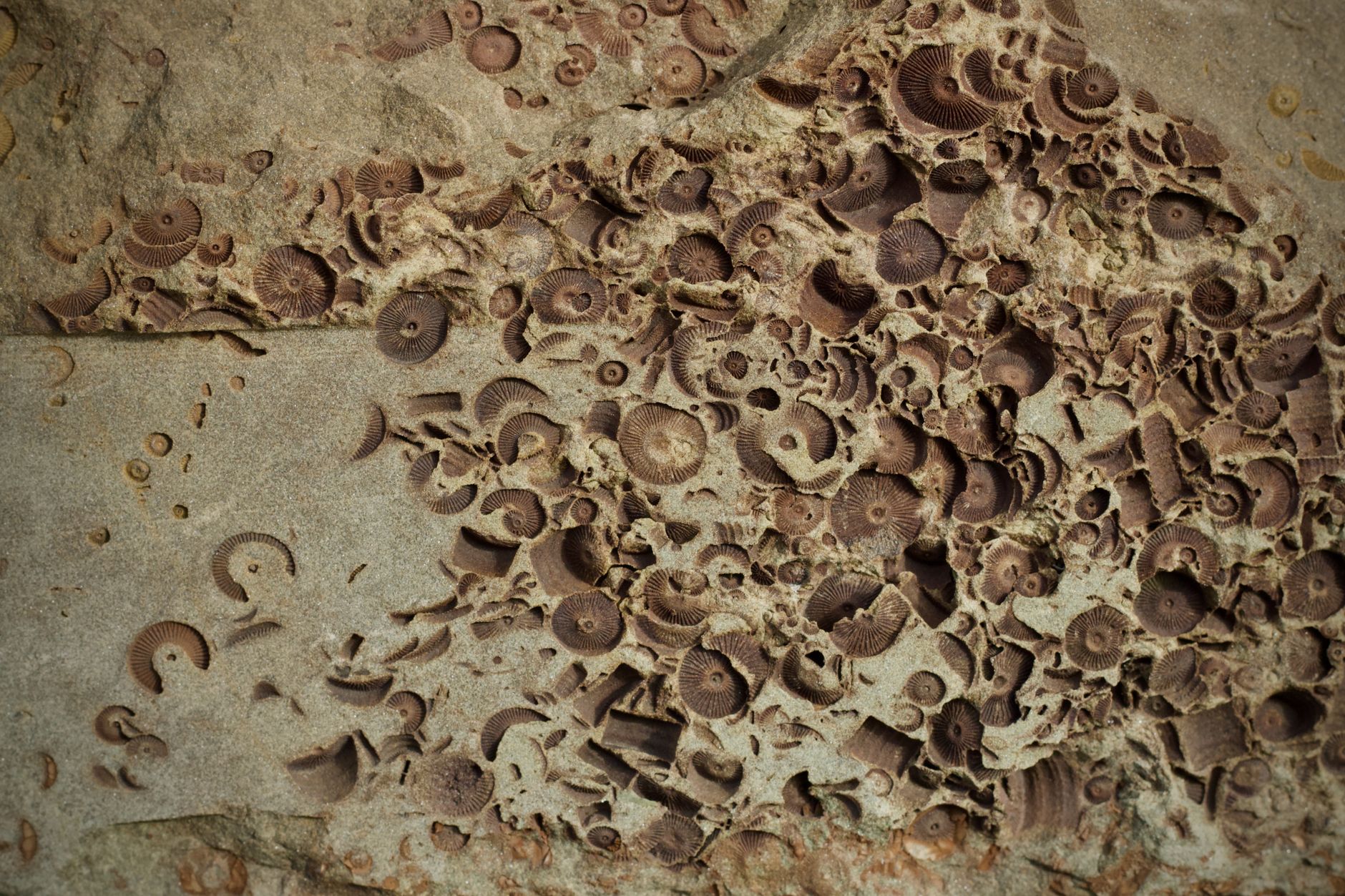

Denisovans fossils and tools: The Clear Evidence Unveiled
Denisovans fossils and tools have unveiled a rich trove of information about these ancient humans. Recent discoveries are painting a clearer picture of their existence and contributions to human evolution.
What Are Denisovans?
The Denisovans are an extinct group of hominins closely related to modern humans, identified primarily through their fossils and artifacts found in the Denisova Cave in Siberia. These ancient people are believed to have lived during the Paleolithic period, alongside Neanderthals and early modern humans.
Recent discoveries have unveiled a rich trove of Denisovans fossils and tools, offering new insights into their lives and capabilities. The fossils include teeth and bone fragments, which have been dated to approximately 50,000 to 300,000 years ago. This evidence indicates that Denisovans occupied a vast territory across Asia, suggesting they may have adapted to various environments.
In addition to the skeletal remains, archaeologists have uncovered a variety of tools associated with the Denisovans. These artifacts demonstrate advanced manufacturing techniques, reflecting their cognitive abilities and the potential for complex social structures. The ongoing research into Denisovans fossils and tools continues to reshape our understanding of human evolution and migration.
As more discoveries emerge, the picture of these enigmatic hominins becomes clearer, highlighting their significance in the broader narrative of human history.
Recent Discoveries in Denisovan Research
Recent discoveries in Denisovan research have provided remarkable insights into this enigmatic group of ancient humans. Notably, a series of fossils and tools uncovered in various locations across Asia have significantly expanded our understanding of their existence and their capabilities.
Among the most significant findings are:
- Fossils: Recent excavations in the Altai Mountains have revealed new Denisovan fossils, including teeth and bone fragments, which help researchers establish a clearer timeline of their presence in the region.
- Tools: The discovery of sophisticated stone tools associated with Denisovans indicates a level of technological prowess previously underestimated, suggesting they may have shared skills with contemporary Homo sapiens.
- Genetic Evidence: Advances in genetic analysis from these fossils have allowed scientists to explore the Denisovans’ interactions with other hominin species, shedding light on their migrations and adaptations.
These findings highlight the importance of Denisovans fossils and tools in painting a more comprehensive picture of human evolution and interactions, paving the way for further research in the field.
The Importance of Fossils in Understanding Denisovans
The study of Denisovans fossils and tools plays a crucial role in expanding our understanding of this enigmatic group of ancient humans. These discoveries provide invaluable insights into their way of life, behaviors, and interactions with other hominin species. Fossils not only reveal physical characteristics but also help scientists piece together the environmental contexts in which Denisovans thrived.
Among the most significant findings are the well-preserved skeletal remains and the sophisticated tools they crafted. This evidence suggests that Denisovans were highly skilled and adapted to their surroundings. The tools, often made from stone, demonstrate advanced techniques that hint at their cognitive abilities and cultural practices.
Moreover, the location of these fossils and artifacts contributes to our understanding of their geographical distribution. By analyzing the sites where these relics have been found, researchers can trace migration patterns and social interactions with neighboring populations, including modern humans. As more Denisovans fossils and tools are uncovered, the picture of these ancient people’s lives continues to grow clearer, ultimately reshaping our perspective on human evolution.
Tools Used by Denisovans: A New Perspective
The recent examination of Denisovans fossils and tools has provided a fresh perspective on the lives of these enigmatic hominins. Archaeologists have unearthed a variety of tools that were likely used by Denisovans, revealing their advanced cognitive abilities and adaptability to diverse environments.
Among the tools discovered, researchers have identified:
- Stone blades: These finely crafted implements suggest a high level of skill in tool-making.
- Bone instruments: Crafted from animal bones, these tools may have been used for various purposes, including hunting and crafting.
- Hunting tools: Evidence indicates that Denisovans employed specialized tools for hunting large game, showcasing their survival strategies.
Additionally, the context in which these tools were found alongside Denisovans fossils adds significant depth to our understanding of their social structures and daily activities. The combination of these artifacts with fossil evidence underscores the complexity of Denisovan life, suggesting they were not merely survivors but skilled artisans with a rich cultural heritage. Such findings continue to reshape our understanding of human evolution and the diverse paths taken by ancient hominin species.
How Denisovans Fit into Human Evolution
The discovery of Denisovans fossils and tools has significantly reshaped our understanding of human evolution. These ancient hominins, closely related to Neanderthals and modern humans, inhabited parts of Asia around 400,000 to 50,000 years ago. Their remains, unearthed in the Denisova Cave in Siberia, reveal a complex narrative about migration and adaptation.
Genetic analysis of Denisovans fossils indicates that they interbred with ancestors of modern humans, contributing to the genetic diversity found in contemporary populations, particularly among Melanesians and some Southeast Asians. This points to a broader interconnection among ancient human species than previously thought.
In addition to their fossils, the tools attributed to Denisovans showcase their advanced cognitive abilities. The variety of stone tools suggests they were skilled hunters and gatherers, capable of adapting their technology to different environments. This evidence not only highlights the Denisovans’ ingenuity but also their role in the larger narrative of human evolution.
Overall, the Denisovans fossils and tools stand as a testament to the intricate web of relationships that define our ancestral lineage.
Comparing Denisovans to Neanderthals
The Denisovans and Neanderthals, both ancient relatives of modern humans, share a complex evolutionary history. While the two groups lived in overlapping regions, their physical and cultural traits show distinct differences.
Physical Characteristics: Neanderthals were generally robust and adapted to cold climates with a stocky build, while Denisovans exhibited a range of traits inferred from their fossils. Some evidence suggests they may have had larger teeth and a different skull structure, indicating varied adaptations to their environments.
Cultural Differences: The tools associated with Denisovans, such as sophisticated stone implements, reveal a level of innovation that parallels, yet diverges from, Neanderthal technology. While Neanderthals are known for their distinctive Mousterian tools, Denisovans produced artifacts that suggest a unique cultural approach.
- Denisovans fossils provide valuable insights into their lifestyle and capabilities.
- Comparative analysis of tools shows potential for cultural exchange between the two groups.
Ultimately, the study of Denisovans fossils and tools adds a new dimension to our understanding of human evolution, illustrating a rich tapestry of interactions among early hominins.
The Role of Denisovans in Ancient Ecosystems
The Denisovans, a close relative of modern humans, played a significant role in ancient ecosystems, as evidenced by their fossils and tools. These enigmatic hominins inhabited parts of Asia and utilized their environment in unique ways, contributing to the biodiversity of their habitats.
Archaeological findings reveal that Denisovans were not just passive inhabitants but skilled foragers and toolmakers. Their tools, which include sophisticated stone implements, suggest they had advanced cognitive abilities and an understanding of their surroundings. This technological prowess allowed them to adapt to various ecological niches.
Recent studies indicate that Denisovans may have interacted with other species, including Neanderthals and early modern humans. This interaction likely influenced the ecosystems they inhabited, as they competed for resources and shared knowledge. Understanding the role of Denisovans in these ancient environments is essential for reconstructing the complex web of life during their time.
As researchers continue to uncover Denisovans fossils and tools, a clearer picture of their ecological impact emerges, highlighting their significance in the evolutionary narrative of our planet.
Future Research Directions on Denisovans
As research on Denisovans continues to evolve, several future directions are emerging that could further illuminate our understanding of these ancient hominins. The analysis of Denisovans fossils and tools is likely to be at the forefront of upcoming studies, providing insights into their lifestyle, migration patterns, and interactions with other hominin species.
One promising avenue for future research is:
- Genetic Studies: Advances in ancient DNA techniques may allow scientists to extract and analyze genetic material from newly discovered fossils, offering deeper insights into Denisovan ancestry and their relationship with modern humans.
- Tool Technology: Investigating the manufacturing techniques of Denisovans tools could reveal the cognitive capabilities and cultural practices of these ancient people.
- Environmental Context: Studying the archaeological sites where Denisovans fossils and tools have been found can provide information about the climates and ecosystems they inhabited.
- Comparative Analysis: Continued comparisons between Denisovans and other hominins, such as Neanderthals and modern humans, will enrich our understanding of human evolutionary history.
Through these research directions, the potential for uncovering new evidence regarding Denisovans remains vast.
The recent discoveries of Denisovans fossils and tools provide new insights into the lives of these ancient humans. As researchers analyze the Denisovans fossils and tools, they uncover evidence of their advanced skills and adaptation to diverse environments.
Photo by Peter Dyllong on Pexels