
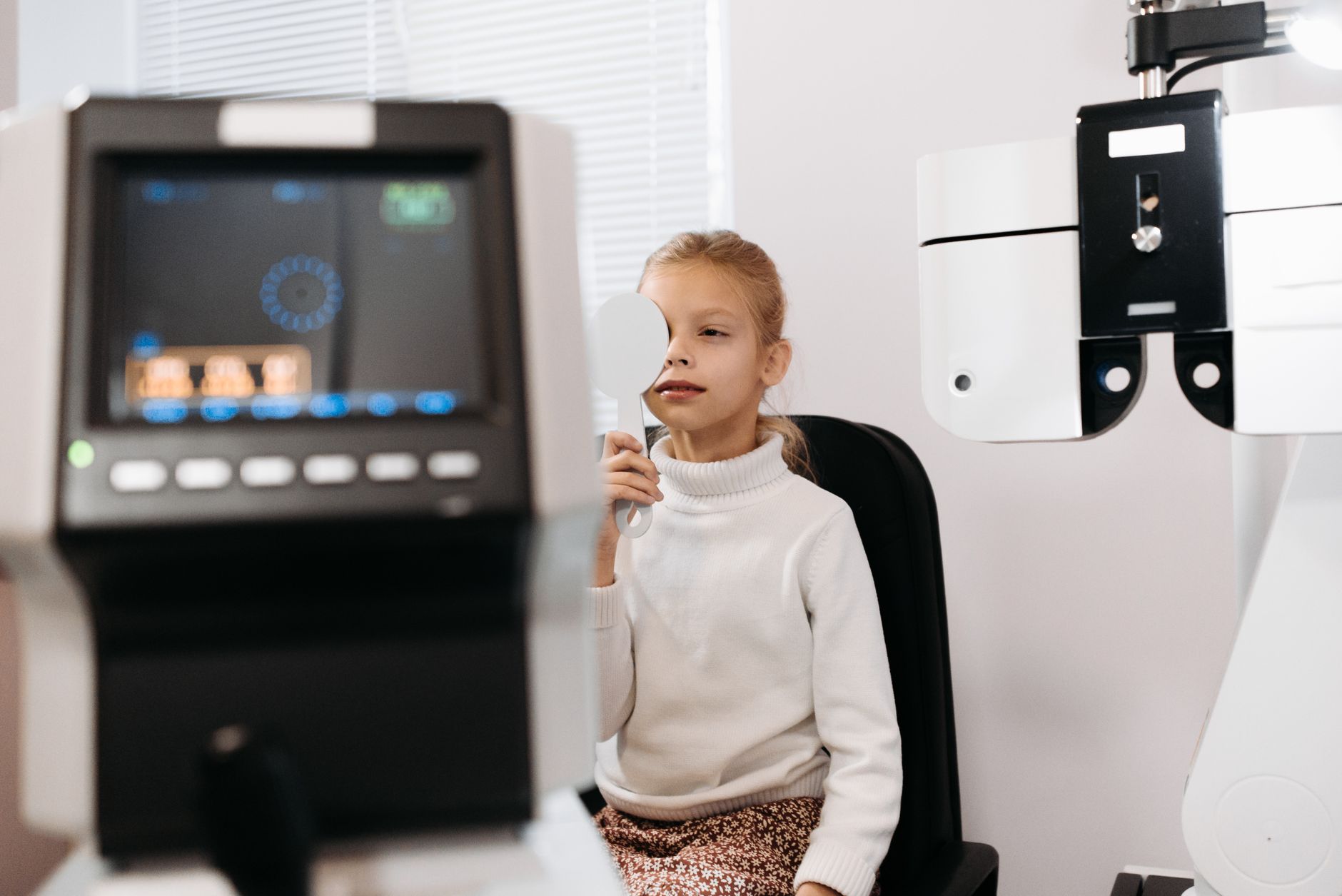

AI Glaucoma Screening: Proven Real-World Benefits
AI glaucoma screening is transforming how we approach eye health. This technology promises improved accuracy and accessibility in diagnosing glaucoma.
Introduction to AI in Healthcare
In recent years, the integration of artificial intelligence (AI) into healthcare has emerged as a transformative force, particularly in the field of ophthalmology. AI glaucoma screening is revolutionizing the way eye care professionals detect and manage this sight-threatening disease. By utilizing sophisticated algorithms, AI systems can analyze a wealth of data from diagnostic tests, enhancing the accuracy and efficiency of glaucoma detection.
The benefits of AI in healthcare extend beyond mere diagnostics. Healthcare providers are now able to:
- Reduce workload: AI systems automate preliminary assessments, allowing ophthalmologists to focus on complex cases.
- Improve accessibility: Remote AI screening can reach underserved populations, ensuring timely care.
- Enhance patient outcomes: Early detection through AI leads to better management and treatment plans.
As the healthcare landscape continues to evolve, AI glaucoma screening stands out as a promising innovation that holds the potential to significantly improve patient care.
Understanding Glaucoma and Its Impact
Glaucoma is a progressive eye condition that can lead to irreversible vision loss if not detected and treated early. It is often referred to as the “silent thief of sight” because it typically develops without noticeable symptoms until significant damage has occurred. This makes regular eye examinations crucial for early diagnosis.
The impact of glaucoma on individuals and society is profound. According to recent studies, millions of people worldwide are affected by this condition, making it a leading cause of blindness. AI glaucoma screening technology is emerging as a game-changer in the early detection of this disease, allowing for quicker and more accurate assessments than traditional methods.
Understanding the implications of glaucoma and its potential to cause irreversible damage underscores the importance of innovative solutions. As healthcare systems strive to improve patient outcomes, AI-assisted screening offers a promising approach to detecting glaucoma at its earliest stages, ultimately preserving vision for countless individuals.
How AI is Changing Glaucoma Screening
Artificial Intelligence (AI) is revolutionizing glaucoma screening by enhancing the accuracy and efficiency of diagnoses. Traditional methods often rely on subjective assessments, but AI algorithms can analyze vast amounts of data quickly and with remarkable precision. This shift not only improves detection rates but also reduces the burden on healthcare professionals.
In real-world settings, AI glaucoma screening has shown significant benefits, including:
- Early Detection: AI systems can identify early signs of glaucoma that may be missed by human observers, allowing for timely intervention.
- Accessibility: With AI solutions, screening can be conducted in a wider range of locations, making it easier for patients in underserved areas to receive care.
- Cost-Effectiveness: Automating the screening process can lower costs, making it a more affordable option for healthcare systems.
As AI continues to evolve, its integration into glaucoma screening practices promises to enhance patient outcomes and streamline ophthalmic care.
Real-World Applications of AI Technology
The integration of AI technology in glaucoma screening has shown promising results in real-world applications, significantly enhancing patient care. Several studies have demonstrated that AI glaucoma screening systems can accurately identify patients at risk of developing the condition, allowing for earlier intervention.
Key benefits observed in clinical settings include:
- Increased Efficiency: AI algorithms can analyze large volumes of imaging data rapidly, reducing the workload on ophthalmologists.
- Improved Accuracy: These systems have been found to match or even surpass human specialists in detecting glaucoma, minimizing the chances of misdiagnosis.
- Accessible Care: AI technology can facilitate remote screening, making glaucoma assessments more accessible to underserved populations.
- Cost-Effective Solutions: By streamlining the screening process, healthcare systems can potentially reduce costs associated with glaucoma management.
Overall, the real-world applications of AI glaucoma screening are paving the way for a more proactive approach to eye health, ultimately benefiting patients and healthcare providers alike.
Benefits of Early Detection
Early detection of glaucoma is crucial for preserving vision, and AI glaucoma screening offers significant benefits in this regard. By utilizing advanced algorithms, healthcare providers can identify potential glaucoma cases more accurately and efficiently than traditional methods. This proactive approach leads to timely interventions that can prevent irreversible damage to the optic nerve.
Some key benefits of early detection through AI include:
- Increased Accuracy: AI systems analyze thousands of images and patient data points, resulting in more precise diagnoses.
- Cost-Effectiveness: Early detection reduces the long-term financial burden associated with advanced glaucoma treatments.
- Accessibility: AI-assisted screening can be implemented in underserved areas, making eye care more accessible to a broader population.
- Personalized Treatment: With early identification, treatment plans can be tailored to individual patient needs, enhancing outcomes.
Overall, the integration of AI in glaucoma screening is transforming patient care and emphasizing the importance of early detection.
Future of AI in Eye Care
The future of AI in eye care, particularly in glaucoma screening, is poised to transform how healthcare professionals diagnose and manage this prevalent condition. As technology continues to advance, the integration of AI systems into clinical practice is expected to enhance the accuracy and efficiency of screenings.
Innovations in machine learning algorithms enable the analysis of vast amounts of data, allowing for personalized treatment plans and improved patient outcomes. The potential for AI to assist in early detection is especially promising, as timely intervention can significantly reduce the risk of vision loss.
Moreover, the scalability of AI glaucoma screening technologies can help bridge gaps in access to care, particularly in underserved communities. As healthcare systems adopt these advanced tools, the emphasis on precision and patient-centered approaches will likely lead to a paradigm shift in how eye care is delivered.
- Enhanced diagnostic accuracy
- Improved patient outcomes
- Increased accessibility to eye care
Photo by Pavel Danilyuk on Pexels
Sources
Related reading
US-India Energy Cooperation: Proven Benefits for Both Nations · Elon Musk midterms donor: Is this the worst spending ever? · Airline radio glitch: What are the real safety concerns?