
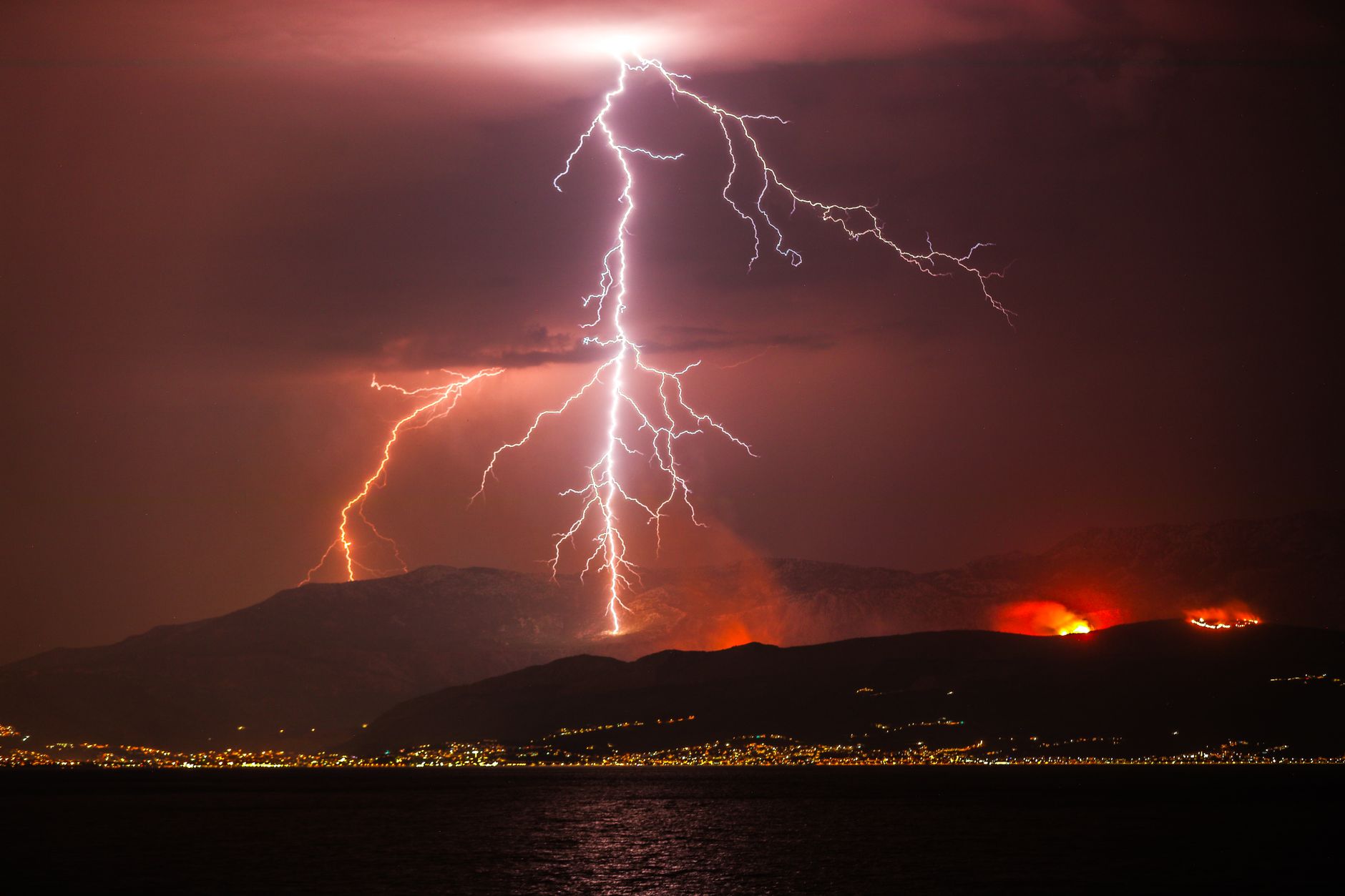

Wildfire storm season: Is it the worst time to prepare?
wildfire storm season is getting shorter, according to a recent BC Hydro report. This alarming trend poses new challenges for communities in British Columbia as they prepare for extreme weather events.
Understanding the Impact of Climate Change
Climate change is significantly altering the dynamics of the wildfire storm season, leading to more frequent and intense weather events. According to a recent BC Hydro report, the time between wildfires and storm seasons is shrinking, creating a challenging environment for communities and ecosystems alike.
This shift can be attributed to several factors:
- Increased temperatures: Higher temperatures contribute to drier conditions, which can exacerbate wildfire risks.
- Altered precipitation patterns: Irregular rainfall can lead to sudden storms following dry spells, causing flash floods and landslides.
- Extended dry seasons: Longer dry periods increase the likelihood of wildfires igniting and spreading rapidly.
As the wildfire storm season becomes more unpredictable, communities must adapt their preparedness strategies. Understanding the implications of climate change is essential for mitigating risks and ensuring safety during these increasingly volatile periods.
BC Hydro’s Findings on Weather Patterns
BC Hydro’s recent report highlights alarming trends in the weather patterns associated with wildfire storm season. The findings indicate that the interval between wildfire outbreaks and storm events is decreasing, creating a heightened risk for communities.
According to the report, several factors contribute to this concerning phenomenon:
- Increased Temperatures: Rising temperatures exacerbate dry conditions, making it easier for wildfires to ignite and spread.
- Changing Precipitation Patterns: Irregular rainfall contributes to both droughts and sudden storms, intensifying the impact of extreme weather.
- Wind Patterns: Shifting winds can carry embers from wildfires to new areas, complicating firefighting efforts.
As the line between wildfire and storm season blurs, preparedness becomes crucial. Communities must adapt their strategies to account for these shorter intervals and the increased risks they bring.
How Communities Can Prepare for Wildfires
As the wildfire storm season approaches, communities must take proactive measures to minimize risks and enhance safety. Preparedness can significantly mitigate the devastating effects of wildfires, which are exacerbated by shifting weather patterns.
Here are some essential steps communities can take:
- Develop a Community Emergency Plan: Establish clear protocols for evacuation, communication, and resource distribution during a crisis.
- Conduct Regular Training: Organize drills and training sessions for local emergency services and residents to ensure everyone knows how to respond effectively.
- Create Defensible Spaces: Encourage homeowners to maintain vegetation around properties, reducing fire fuel and creating buffer zones.
- Invest in Firebreaks: Work with local authorities to implement firebreaks that can halt the spread of fires.
- Educate the Community: Raise awareness about the importance of preparedness and the role of individual actions in wildfire prevention.
By taking these steps, communities can better navigate the challenges posed by the wildfire storm season.
The Role of Technology in Disaster Preparedness
As the wildfire storm season becomes increasingly intertwined, technology plays a crucial role in enhancing disaster preparedness. Advanced tools and applications allow communities to monitor weather patterns and receive timely alerts about impending threats.
Innovative technologies like satellite imagery and drone surveillance provide real-time data, enabling authorities to track wildfire developments and storm movements. This information is vital for effective evacuation planning and resource allocation.
Moreover, predictive analytics can help forecast potential wildfire occurrences based on climate data, allowing communities to take proactive measures before the wildfire storm season peaks. Local governments are now integrating these technologies into their emergency response strategies to improve resilience.
In addition, mobile apps can keep residents informed about safety protocols and evacuation routes, ensuring they are prepared in the face of disaster. As the wildfire storm season approaches, leveraging technology is essential for safeguarding lives and property.
Historical Trends in Wildfire and Storm Seasons
Historical data reveals a concerning trend regarding the overlap of wildfire and storm seasons, highlighting the increasing urgency for communities to adapt. Over the past few decades, the duration between these two critical events has been shrinking, leading to what experts describe as a wildfire storm season. This phenomenon poses significant challenges for emergency management and public safety.
Key statistics and observations include:
- Increased Frequency: Studies show that the frequency of both wildfires and severe storms has risen, often occurring within weeks of each other.
- Shortened Intervals: The gap between the onset of wildfires and subsequent storm events has reduced dramatically, compressing the time available for preparation.
- Higher Risks: This overlap exacerbates the risks to infrastructure and natural resources, complicating recovery efforts for affected communities.
As climate patterns continue to shift, understanding these historical trends is vital for developing effective response strategies.
Government Response to Shortening Seasons
The recent findings from BC Hydro have prompted a critical examination of government responses to the increasingly overlapping wildfire storm season. As the time between wildfire outbreaks and storm events grows shorter, authorities face mounting pressure to adapt their strategies for disaster preparedness.
Government agencies are recognizing the need for a multifaceted approach, which includes:
- Enhanced Funding: Allocating more resources towards fire prevention and storm response initiatives.
- Community Engagement: Increasing public awareness campaigns to educate citizens on safety measures.
- Infrastructure Improvements: Upgrading power lines and drainage systems to withstand severe weather conditions.
Furthermore, collaboration with local organizations is essential to ensure that communities are equipped to handle the challenges posed by this shortened wildfire storm season. As conditions evolve, so too must the strategies implemented by those in charge of public safety.
Public Awareness and Education Initiatives
As the wildfire storm season approaches, public awareness and education initiatives play a crucial role in ensuring community preparedness. Local governments and organizations are ramping up efforts to inform residents about the increasing risks associated with these events.
Key strategies include:
- Workshops and Training Sessions: Offering hands-on training for residents on how to create emergency plans and evacuation routes.
- Distribution of Educational Materials: Providing brochures and digital content that outline safety tips and resources for wildfire preparedness.
- Community Engagement Programs: Encouraging local participation in fire drills and information sessions to foster a culture of readiness.
- Collaboration with Schools: Integrating wildfire safety education into school curriculums to reach younger generations.
These initiatives emphasize the importance of proactive measures, shifting the narrative around wildfire storm season from reactive responses to community empowerment and resilience.
Future Projections for Weather Extremes
As climate patterns continue to evolve, future projections for wildfire storm season indicate an alarming trend towards increased frequency and intensity of extreme weather events. Experts predict that the gap between wildfire and storm seasons will continue to narrow, creating heightened risks for communities already vulnerable to natural disasters.
According to recent studies, the increased temperatures and prolonged dry spells contribute to more severe wildfire conditions, while unpredictable storm patterns can exacerbate these fires with sudden rainfall and high winds. Key projections include:
- Increased average temperatures: Higher temperatures are likely to lead to longer dry periods, heightening wildfire risks.
- More erratic precipitation: Storm events may become more intense and unpredictable, complicating fire management efforts.
- Shortened seasonal transitions: The time between wildfire and storm seasons may shrink, increasing the urgency for community preparedness.
These projections highlight the necessity for proactive measures to mitigate the impacts of an increasingly volatile climate.
Photo by Hani Salama on Pexels
References
Related stories
Trump Tech Bros Under Scrutiny: The Real Consequences · Cybertruck production news: Worst decision for Tesla? · Kerala Lottery Result: Quick Guide to Today’s Winning Numbers