
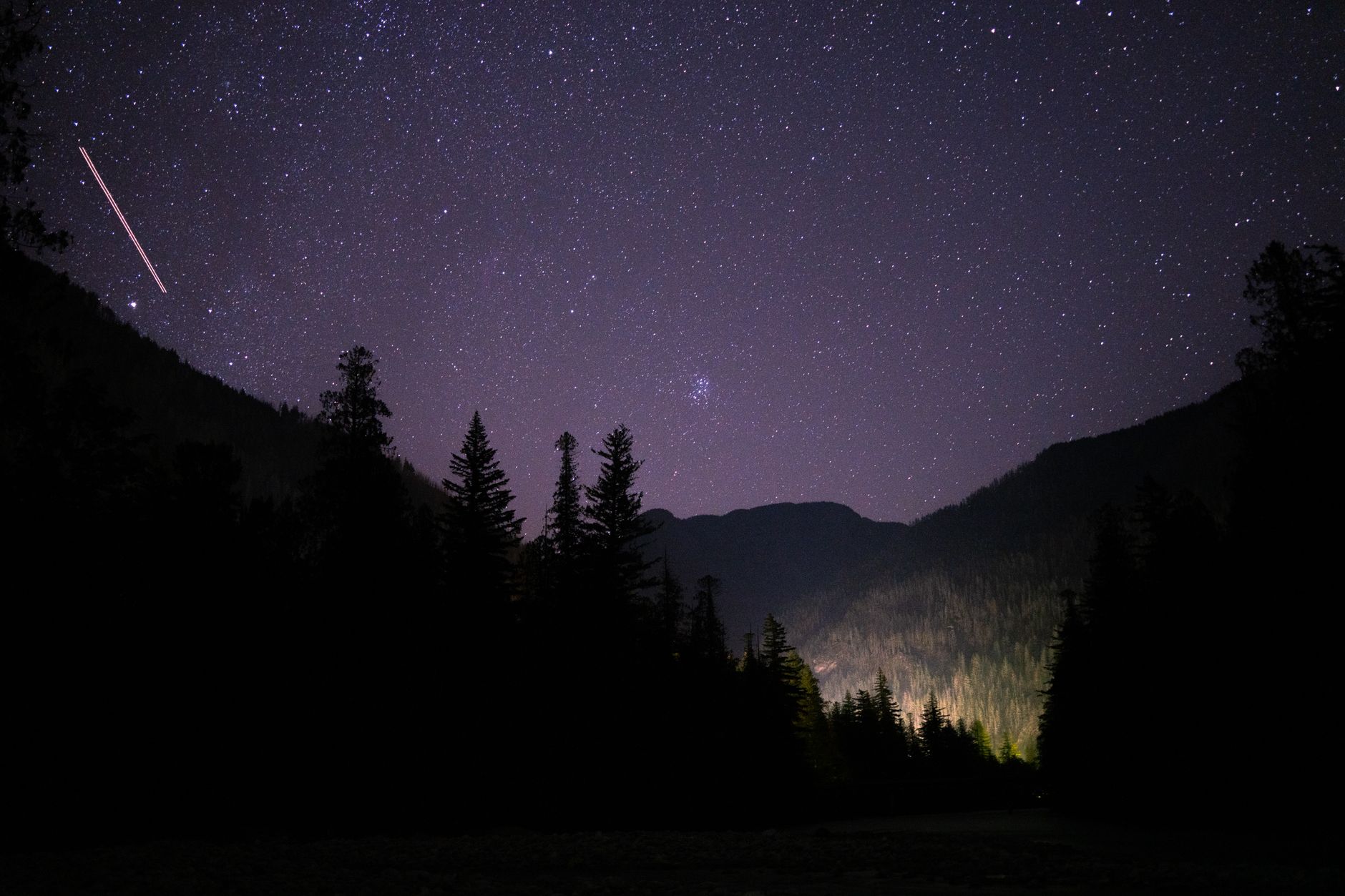

Stargazing in October: The Best Simple Guide for Beginners
Stargazing in October is a fantastic way to connect with the cosmos. This month offers unique celestial events that enhance your stargazing experience.
Best Locations for Stargazing in October
When it comes to stargazing in October, choosing the right location can significantly enhance your experience. Here are some of the best places to consider for a memorable night under the stars:
- National Parks: Many national parks offer dark skies away from city lights, making them ideal for stargazing. Parks such as Yosemite, Grand Canyon, and Big Bend are particularly renowned for their celestial views.
- Rural Areas: If you can’t make it to a national park, look for rural areas with low light pollution. Farm fields, open fields, and quiet countryside locations are often excellent choices.
- Mountains: Higher elevations can provide clearer skies and less atmospheric interference. Consider heading to a nearby mountain range where you can enjoy unobstructed views of the cosmos.
- Observatories: Many observatories host public stargazing events, offering access to telescopes and expert guidance. Check for local observatories in your area that might be open to visitors in October.
- Your Own Backyard: Don’t overlook the potential of your own backyard. With a blanket and a comfortable chair, you can set up your own stargazing spot right at home, making it convenient and enjoyable.
Whichever location you choose, remember to check the weather and moon phases to maximize your stargazing experience this October.
What to Look for in October’s Night Sky
As October rolls in, the night sky transforms into a canvas of celestial wonders, perfect for those interested in stargazing in October. With the cooler temperatures and longer nights, it’s an ideal time to step outside and explore the cosmos.
There are several key features to look for during this month:
- Orionid Meteor Shower: This annual meteor shower peaks in mid-October, providing a breathtaking display of shooting stars. Best viewed after midnight, you can expect up to 20 meteors per hour.
- Constellations: October is an excellent month to spot prominent constellations like Orion, Taurus, and Andromeda. These constellations will be more visible as the nights grow longer.
- Planets: Look for planets such as Mars and Jupiter, which shine brightly in the evening sky. Mars will be particularly noticeable, appearing as a reddish point of light.
- Deep Sky Objects: October nights are also a good time to observe deep sky objects like the Andromeda Galaxy, which can be seen with the naked eye under dark skies.
With these celestial highlights, October offers a fantastic opportunity for both novice and seasoned stargazers to enjoy the beauty of the universe.
Tips for a Successful Stargazing Experience
Stargazing in October can be a mesmerizing experience, but to make the most of your time under the stars, consider the following tips for a successful stargazing experience.
- Choose the Right Time: The best time to stargaze is after sunset when the sky is dark enough to see faint stars. Check local sunset times and plan accordingly.
- Find a Dark Location: Light pollution can hinder your view of the night sky. Seek out parks or rural areas far from city lights to enhance your stargazing experience.
- Dress Appropriately: October nights can be chilly. Wear layers to stay warm, and bring a blanket or chair for comfort while you enjoy the celestial display.
- Bring the Right Equipment: While a telescope can enhance your view, binoculars or simply your eyes can suffice for beginners. Consider downloading stargazing apps to help identify stars and constellations.
- Be Patient: Give your eyes time to adjust to the darkness. It can take about 20 minutes for your eyes to adapt, revealing more stars and details in the night sky.
- Share the Experience: Stargazing is often more enjoyable with friends or family. Bring along fellow enthusiasts to share your discoveries and marvel at the wonders of October’s night sky.
Understanding Celestial Events This Month
October is an exciting month for stargazing enthusiasts, as it brings numerous celestial events that can be observed with the naked eye. Understanding these events can enhance your experience and appreciation of the night sky.
One of the highlights this month is the annual Orionid meteor shower, which peaks around October 21. As the Earth passes through the debris left by Halley’s Comet, viewers can expect to see between 15 to 20 meteors per hour under optimal conditions. To maximize your chances of witnessing this spectacular display, find a dark location away from city lights, and give your eyes time to adjust to the darkness.
Additionally, October’s full moon occurs on the 28th, providing a stunning backdrop for nighttime observations. Known as the Hunter’s Moon, it shines brightly, illuminating the landscape and offering a different perspective on celestial bodies. While the brightness may hinder meteor visibility, it creates an enchanting atmosphere for enjoying the stars.
Furthermore, October is a great time to spot prominent constellations like Andromeda and Pegasus. With their distinct shapes and historical significance, these constellations are perfect for beginners looking to familiarize themselves with the night sky.
By understanding these celestial events, your stargazing in October can become a memorable and enriching experience.
Stargazing in October offers a unique opportunity to witness the beauty of the night sky as the weather starts to cool. With clear skies and minimal light pollution, stargazing in October can be a truly magical experience for beginners and seasoned astronomers alike.
Photo by Alex Moliski on Pexels
Sources
Drug-Resistant Tuberculosis: Worst Delays in Diagnosis Revealed · Hurricane Isaias Impact: The Worst Effects on Gulf Coast · Salman Khan YouTube channel: Is it the Best Way to Learn?