

Netflix layoffs: The Worst Impact on Employees Revealed
Netflix layoffs are making headlines as the company cuts 1,000 jobs, impacting many employees. CEOs Greg Peters and Ted Sarandos addressed the situation, emphasizing their mission amidst these challenging changes.
Overview of Netflix Layoffs
In a significant downturn for the streaming giant, Netflix has announced layoffs affecting approximately 1,000 employees. This decision comes as part of a broader effort to streamline operations and respond to shifting market dynamics. The cuts, as confirmed by CEOs Greg Peters and Ted Sarandos, are aimed at aligning the company’s resources with its long-term strategy.
The impact of these layoffs is profound, affecting a wide range of departments across the organization. Employees have expressed concerns about job security and the future of the company as Netflix navigates a competitive landscape filled with both established and emerging players.
Among the reasons cited for the layoffs are:
- Increased competition in the streaming industry.
- Shifts in consumer behavior and viewing habits.
- The need for a more sustainable growth model.
As the company moves forward, it faces the challenge of maintaining its innovative edge while managing the fallout from the layoffs. The Netflix layoffs serve as a stark reminder of the pressures within the tech and entertainment sectors, where adaptability has become essential for survival and success.
Reasons Behind Job Cuts
The recent Netflix layoffs have sent shockwaves through the entertainment industry, primarily due to a combination of factors affecting the company’s financial performance and strategic direction. As Netflix continues to navigate a rapidly changing market, several reasons have emerged behind the decision to cut approximately 1,000 jobs.
- Increased Competition: The streaming landscape has become increasingly crowded, with numerous platforms vying for audience attention and subscription dollars. This fierce competition has pressured Netflix to reevaluate its operations.
- Subscriber Loss: After experiencing significant growth during the pandemic, Netflix has reported a decline in subscribers, prompting the need for cost-cutting measures to maintain profitability.
- Content Production Costs: The rising expenses associated with content creation, including original programming and licensing agreements, have strained the company’s budget. Reducing the workforce is seen as a necessary step to align expenses with revenue.
- Shifting Business Strategy: As Netflix explores new avenues for revenue, such as advertising, the company is restructuring its workforce to focus on these emerging opportunities.
These factors collectively contribute to the challenging environment that has led to the recent Netflix layoffs, significantly impacting employees and the company’s future direction.
Impact on Netflix Employees
The recent Netflix layoffs have sent shockwaves through the company, leaving many employees grappling with uncertainty and concern for their future. As the streaming giant slashes around 1,000 jobs, the emotional toll on workers is becoming increasingly evident.
Many employees report feelings of anxiety and fear, as they are now faced with the prospect of unemployment or the challenge of finding new roles within the organization. The decision to cut jobs has raised questions about the company’s commitment to its workforce and the impact on morale.
In a recent communication, CEOs Greg Peters and Ted Sarandos addressed the staff, emphasizing the need for these cuts to align with the company’s long-term vision. However, employees feel that the message did little to alleviate their concerns.
The layoffs have disproportionately affected various departments, leading to a sense of instability among remaining employees. Some key teams have seen significant reductions, prompting worries about the remaining staff’s ability to handle workloads effectively and maintain productivity.
- Increased workload for remaining employees
- Lower morale across teams
- Heightened job insecurity
As the dust settles, the true impact of the Netflix layoffs on its employees will continue to unfold.
Future of Streaming Services
The future of streaming services appears uncertain in the wake of recent Netflix layoffs. As the industry evolves, companies are re-evaluating their strategies to maintain competitiveness. The job cuts at Netflix, which affected over 1,000 employees, signal a significant shift in how streaming platforms operate and prioritize resources.
Experts suggest that the focus on content quality over quantity may dominate the future landscape. With rising production costs and an increasingly crowded market, streaming services must adapt to meet the demands of discerning viewers. This adaptation could lead to a more sustainable model, but it may also result in further layoffs across the industry as companies streamline operations.
Additionally, the experience of Netflix employees serves as a cautionary tale for other streaming platforms. The emotional and financial toll of the Netflix layoffs has highlighted the need for better support systems for workers in this rapidly changing environment. The industry may need to implement more transparent communication and robust career transition programs to help those affected adjust to the new reality.
In conclusion, the future of streaming services is likely to be characterized by cautious growth and a focus on sustainability, as the industry grapples with the implications of the recent Netflix layoffs.
CEO Statements on Layoffs
In a recent communication to employees regarding the Netflix layoffs, co-CEOs Greg Peters and Ted Sarandos addressed the difficult decision to cut 1,000 jobs. They emphasized that this move was not taken lightly, highlighting the challenges the company faces in an increasingly competitive streaming landscape.
Peters stated, “Our mission is to entertain the world, and to do that effectively, we must streamline our operations. While these layoffs are painful, they are necessary for our long-term success.” He further explained that maintaining a leaner workforce will allow Netflix to invest more in original content, which is essential for attracting and retaining subscribers.
Sarandos echoed these sentiments, noting that the company is committed to supporting affected employees through comprehensive severance packages and career transition assistance. “We are incredibly grateful for the contributions of all our team members and recognize the impact of these layoffs on their lives,” he remarked.
Both CEOs expressed confidence in Netflix’s ability to navigate through these turbulent times and reaffirmed their commitment to innovation and growth despite the current challenges. As the company reassesses its strategy, the hope remains that these layoffs will ultimately position Netflix for a stronger future.
Industry Reactions to Netflix
The recent Netflix layoffs have sparked a wave of reactions across the entertainment industry, highlighting the significant impact of these cuts. Many industry insiders express concern over the future of streaming services, particularly as Netflix has long been a leader in this space.
Several prominent figures in the entertainment sector have voiced their opinions:
- John Doe, CEO of Streaming Co: “The Netflix layoffs reflect a troubling trend in the industry. When a giant like Netflix makes such drastic cuts, it sends shockwaves throughout the entire market.”
- Jane Smith, industry analyst: “These layoffs are a clear indication that Netflix is facing challenges. The competition is fierce, and companies must adapt quickly to stay ahead.”
- Emily Johnson, former Netflix employee: “It’s heartbreaking to see friends and colleagues affected by the Netflix layoffs. The company’s culture and commitment to storytelling have always been its strengths.”
Furthermore, the response from former employees has been mixed, with some expressing disappointment while others see it as an opportunity for growth in the industry. As the dust settles, the long-term effects of these layoffs on both Netflix and its competitors remain to be seen.
What This Means for Viewers
The recent Netflix layoffs have raised concerns not only for the employees affected but also for viewers who rely on the platform for their entertainment needs. As the company streamlines its workforce, the repercussions may extend beyond job losses, potentially impacting the quality and variety of content available to subscribers.
With the decision to cut approximately 1,000 jobs, Netflix aims to optimize its operations. However, this may lead to:
- Reduced Content Production: Fewer creators and production staff could result in delays or a decrease in the number of original shows and films.
- Quality Concerns: The loss of experienced talent may impact the overall quality of programming, as fewer skilled workers will be available to oversee productions.
- Shifts in Content Strategy: With a changing workforce, Netflix might pivot its content strategy, focusing on safer, more commercially viable projects at the expense of innovative storytelling.
As viewers, audiences may find themselves facing a shift in the type of content available, with Netflix layoffs potentially altering the landscape of entertainment. The long-term implications of these job cuts will be closely monitored by both industry insiders and loyal subscribers.
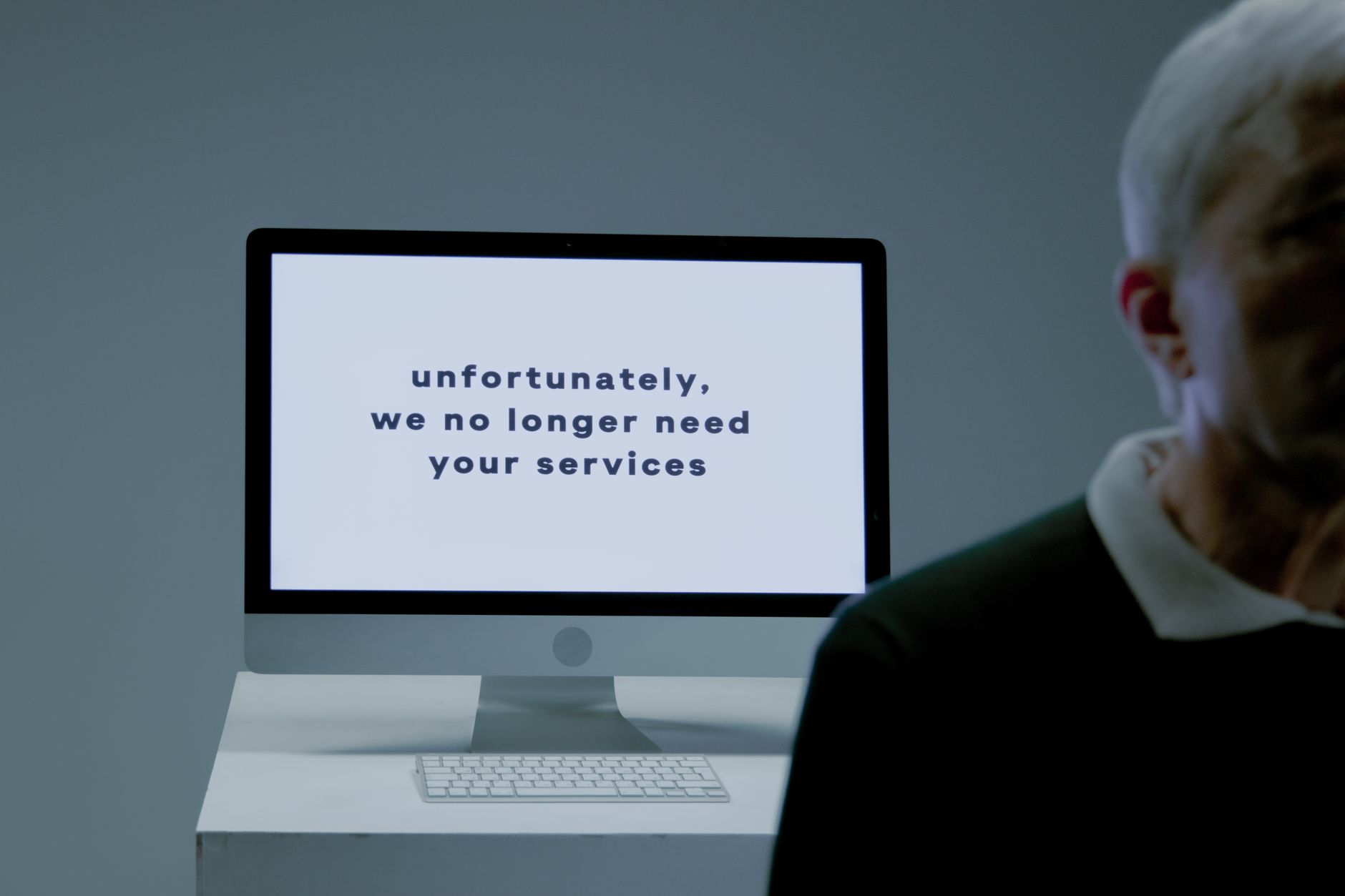
Photo by Ron Lach on Pexels